-
Flexible guiding options. IFMGA professionals or standard guides
-
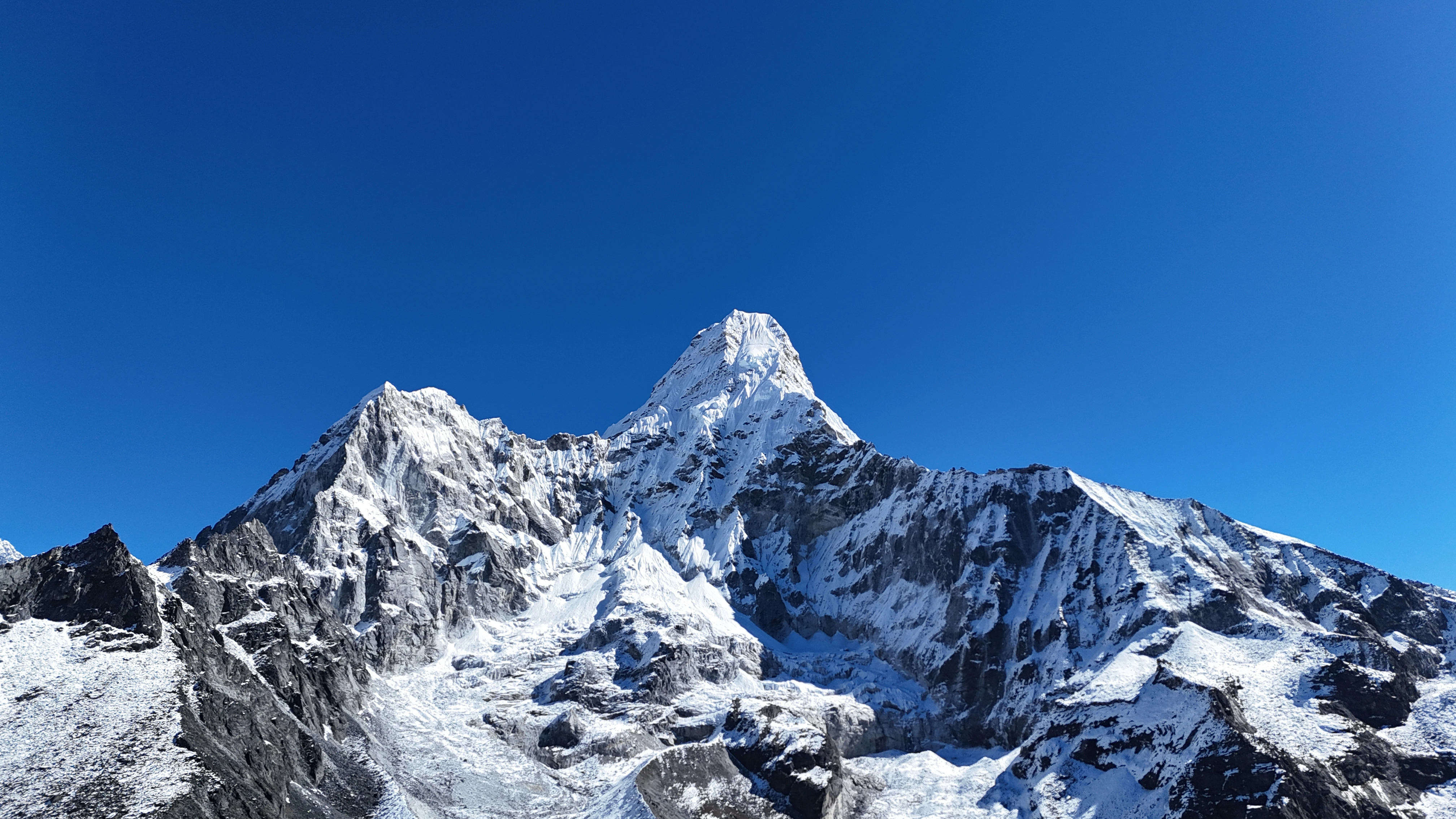
Climb Ama Dablam (6,812 m) – one of the most beautiful and iconic peaks in the Himalayas
-
Follow the classic Everest trail via Lukla, Namche, Khumjung, Pangboche
-
Establish and climb through Base Camp, Camp 1 & Camp 2 on the classic SW ridge
-
Pre-climb technical training with expert mountain guides at Base Camp
-
Rotation climbs and load carries to prepare for the final summit push
-
Helicopter evacuation/exit from Ama Dablam Base Camp to Kathmandu after the climb
-
Deep immersion in Sherpa culture, monasteries, and high-Himalayan life
-
Fully supported expedition with Sherpa climbers, Base Camp staff, liaison officer, and logistics
AMA DABLAM EXPEDITION
Country
Nepal
Level
extreme
Duration
19 Days
Altitude
6812 M
Group Size
1-8
Best Season
Spring and Autumn

Highlights
Overview
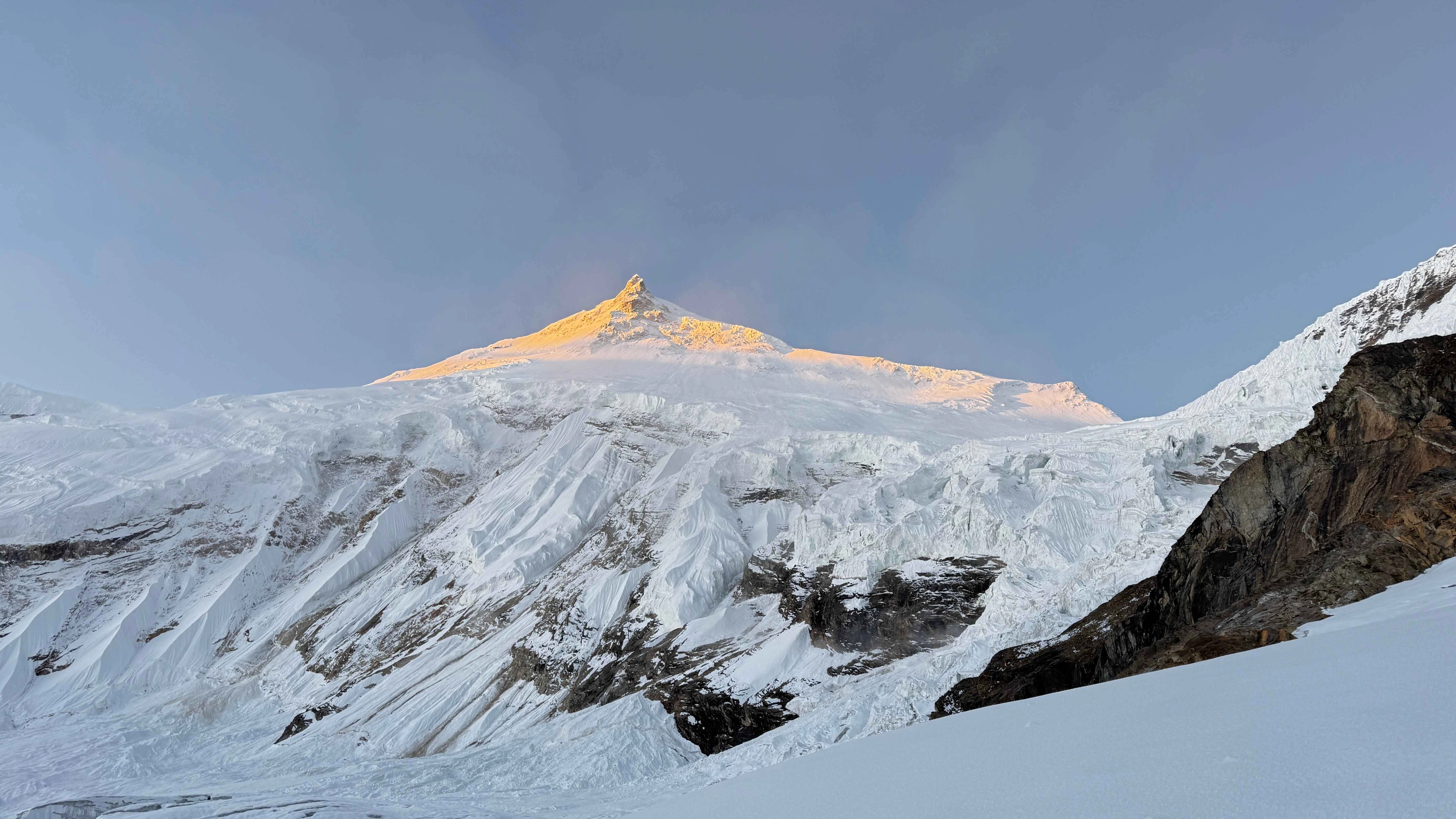
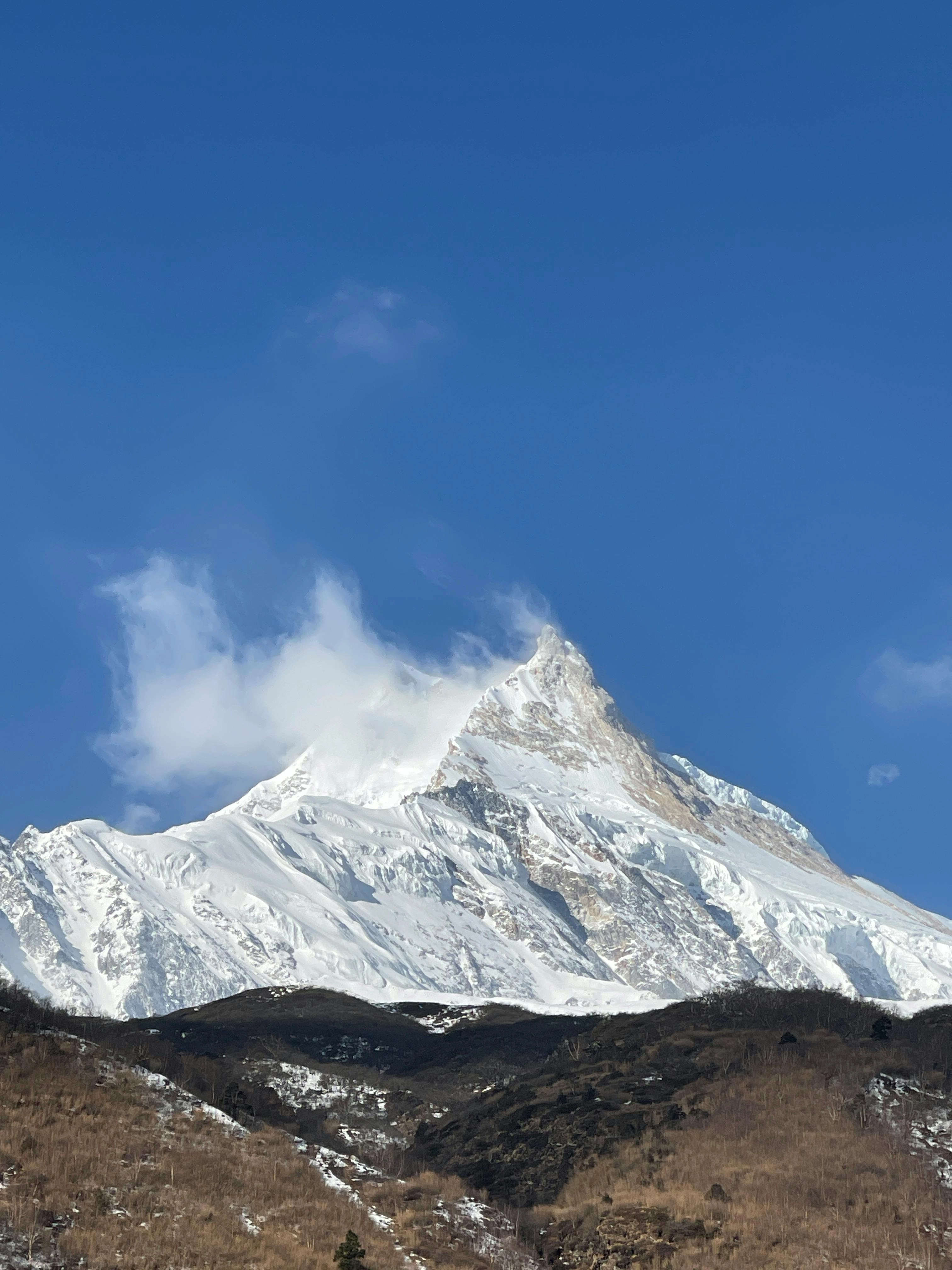
The Ama Dablam Expedition 2025 with AltiNepal Treks is designed for experienced climbers who want a technical, elegant Himalayan peak without the chaos of the 8000ers. Often called the “Matterhorn of the Himalaya,” Ama Dablam stands high above the Khumbu Valley as a perfect pyramid of rock, snow, and ice visible from almost every classic Everest viewpoint.
Your journey starts in Kathmandu, followed by a flight to Lukla and a classic approach through Phakding, Namche, Khumjung, and Pangboche. The trek itself is already a highlight, with monasteries, spinning prayer wheels, suspension bridges, and constant views of Everest and Ama Dablam drawing closer each day.
At Ama Dablam Base Camp (~4,570 m), you shift from trekker to climber. Under the guidance of professional technical mountain guides and Sherpa climbers, you spend several days on pre-climb training, safety briefings, and equipment checks. Rotation climbs and load carries up to higher camps allow your body to adapt and build familiarity with the route.
The summit push follows the traditional route through Camp 1 and Camp 2, tackling mixed rock, snow, and exposed ridges that have made Ama Dablam legendary in the mountaineering world. The climb is steep, technical, and incredibly rewarding with jaw-dropping views of Everest, Lhotse, Makalu, and the entire Khumbu.
After the summit window, a helicopter flight from Base Camp to Kathmandu brings you quickly and comfortably back to the capital, where the expedition ends with a well-earned farewell celebration.
This is a serious mountaineering objective, crafted for climbers who respect the mountain, value professional logistics, and want to climb Ama Dablam the right way with a strong local team, solid planning, and safe pacing.
Itinerary
Arrive at Tribhuvan International Airport, where our representative meets you and transfers you to your hotel. After check-in, you can rest or stroll around Thamel. In the evening, attend an expedition briefing covering schedule, route, equipment, and safety protocols.
This day is dedicated to final preparation. The team reviews your personal equipment, makes sure all technical gear is in order, and completes any remaining paperwork or permit formalities. You’ll also have time to pick up or rent missing items and enjoy Kathmandu’s cafés or heritage sites.
Depending on the season, you’ll either fly directly from Kathmandu or drive to Ramechhap and then fly to Lukla. The mountain flight is short but spectacular. Meet your Sherpa and porter team in Lukla and start trekking. The trail descends gradually, passing small villages, mani stones, and prayer wheels before reaching Phakding by the river.
Follow the Dudh Koshi River, cross several suspension bridges, and pass through Monjo where you enter Sagarmatha National Park. The final ascent to Namche is steep and sustained, but the first glimpses of Everest on clear days make it worthwhile. Namche Bazaar is the main Sherpa town, with shops, bakeries, and stunning mountain views.
To support proper acclimatization, you hike up to Khumjung Village, a traditional Sherpa settlement above Namche. Visit the local monastery and enjoy panoramic views of Everest, Ama Dablam, and surrounding peaks. Return to Namche for lunch and spend the remainder of the day resting and preparing for higher elevations.
Leave Namche on a scenic contouring trail with Everest, Lhotse, and Ama Dablam in full view. After passing through Sanasa and crossing the river near Phunki Tenga, you climb towards Tengboche and then continue to Pangboche. This village is one of the oldest Sherpa settlements and offers excellent views of Ama Dablam.
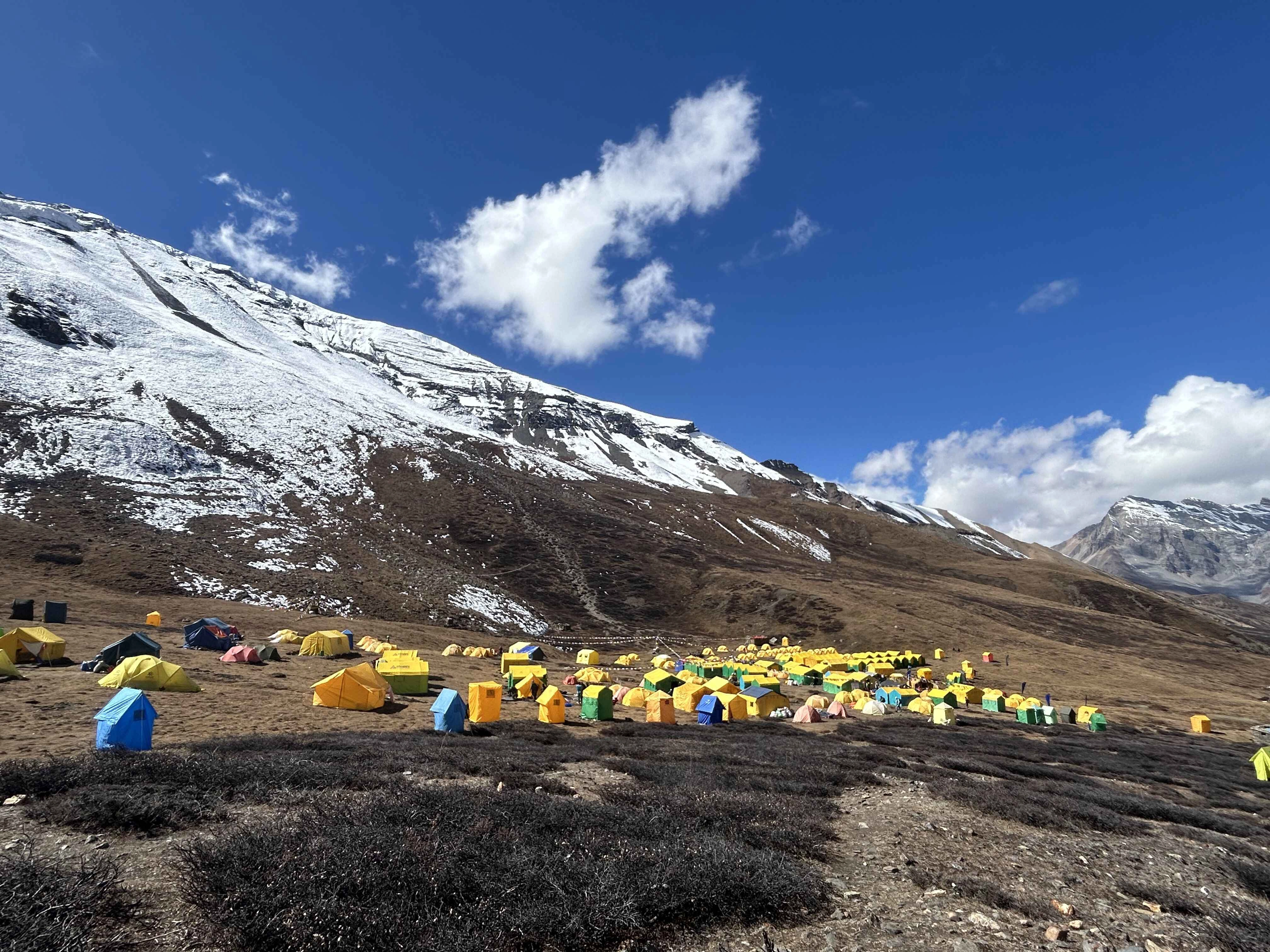
From Pangboche, leave the main trekking route and head towards Ama Dablam Base Camp. The path climbs gradually across open terrain, with Ama Dablam dominating the skyline. Upon reaching Base Camp, you’ll be assigned your personal tent and get introduced to the full Base Camp setup dining tent, kitchen tent, toilet and shower tents, and equipment areas.
Spend these days adapting to the altitude and preparing for the climb:
-
Technical training led by professional mountain guides
-
Practice on fixed ropes, ascenders, descenders, and crampon technique
-
Route and safety briefings for Camp 1 and above
-
Short acclimatization hikes around Base Camp
-
Final checks of personal climbing gear and high-altitude clothing
This period is crucial for building confidence and ensuring everyone understands the route and safety procedures.
Begin rotation climbs from Base Camp:
-
Climb to higher camps (typically Camp 1) with light loads
-
Deposit gear (ropes, gas, food, personal equipment) at higher camps
-
Return to Base Camp to sleep lower and recover
These rotations help your body adapt to higher altitudes and give you familiarity with the terrain you’ll encounter on summit push.
Within this window, your expedition leader selects the best weather period for the summit push:
-
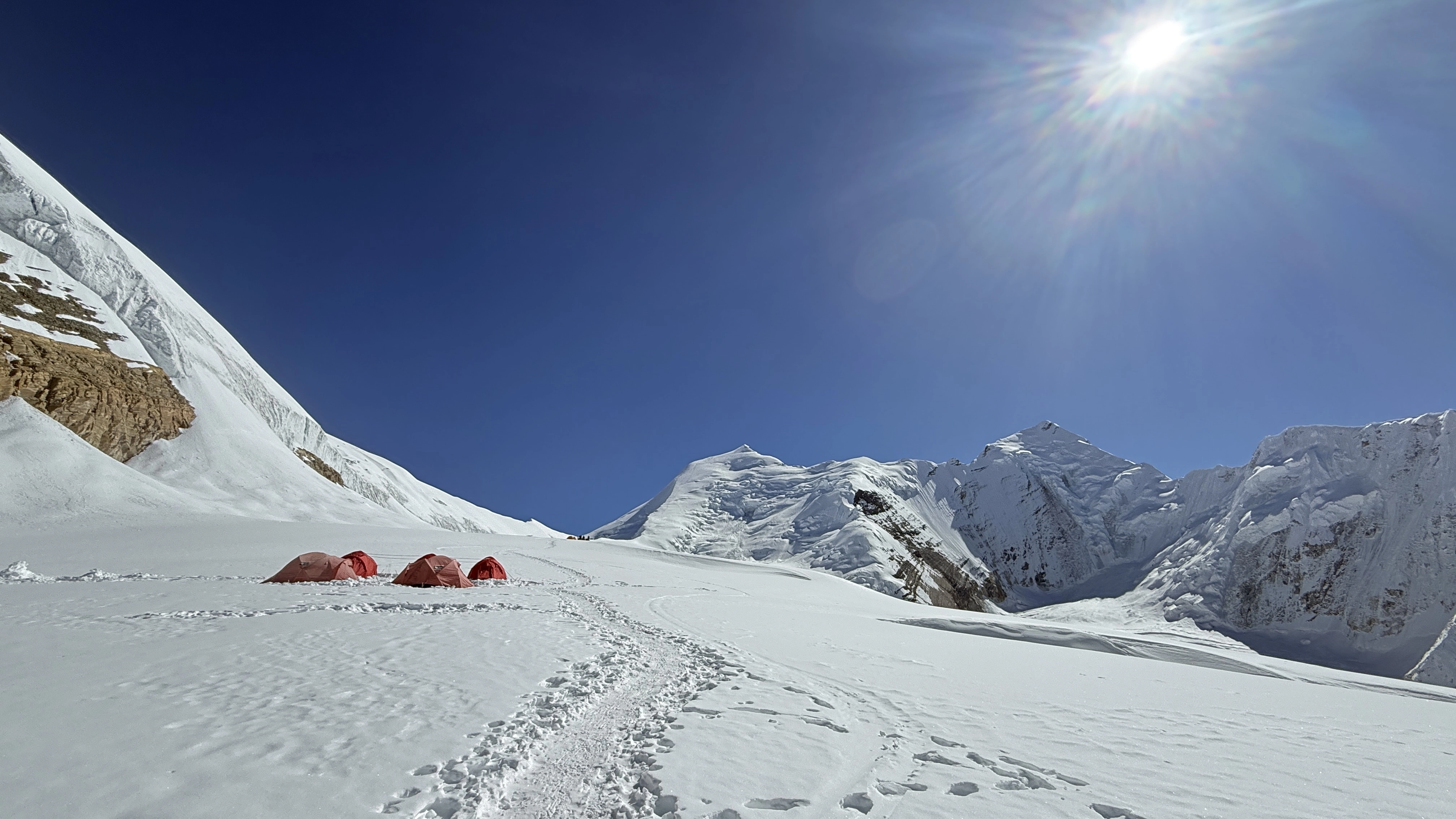
Climb from Base Camp to Camp 1
-
Then Camp 1 to Camp 2 (depending on conditions and team plan)
-
Final summit attempt from high camp, typically starting before midnight
-
Technical sections include mixed climbing on rock and snow, fixed ropes, and exposed ridges
-
From the summit of Ama Dablam, enjoy world-class views of Everest, Lhotse, Makalu, and the entire Khumbu range
-
Descend safely back to Base Camp after summit
The exact movement within these days is flexible and based on weather, team performance, and safety.
After packing gear and saying farewell to the mountain, you’ll board a helicopter directly from Base Camp (weather permitting) and fly back to Kathmandu. Check into your hotel, enjoy a hot shower, and celebrate with the team in the evening.
This contingency day is built into the itinerary in case of delays due to bad weather, slower acclimatization, or timing issues on the summit push. If unused, you can spend it relaxing in Kathmandu, shopping, or visiting cultural sites.
Includes
Pick-up and Drop-Off Services
Accommodation in Kathmandu
Domestic Flights
All Ground Transportation
Permits & Fees
Meals on Trek & at Base Camp
Climbing and Sherpa Support
Porter & Baggage Logistics
Tents & Camping Equipment
High Camp Services
Communication & Connectivity
Emergency & Safety Services
Insurance for Local Staff
Equipment & Medical
Ama Dablam summit certificate for each successful climber
Ama Dablam summit certificate for each successful climber
Excludes
International flight tickets to/from Nepal
Nepal entry visa fees (payable on arrival)
Lunch and dinner in Kathmandu
Extra hotel nights beyond the included three
Personal climbing equipment (boots, crampons, harness, ice axe, etc.)
Personal expenses: beverages, laundry, postage, telephone, Wi-Fi in city or lodges
Extra baggage charges beyond the 30 kg expedition allowance
Personal travel, accident, medical, and evacuation insurance (mandatory)
Commercial filming/drone permits and special filming permissions
Climbing Sherpa summit bonus (USD 800 per Sherpa)
Tips for Base Camp cook and staff (USD 300 total guideline)
Any additional costs not explicitly mentioned in the “Includes” section
Notes

Experience Level:Ama Dablam is a technical peak. Previous experience on high-altitude climbs (6000m+), including use of fixed ropes, crampons, and exposure to mixed terrain, is strongly recommended.
Acclimatization Strategy:The itinerary includes gradual ascent, rest days, and rotation climbs to higher camps. Still, every climber must listen to their body, stay hydrated, and communicate honestly with the guides.
Terrain & Difficulty:Expect steep rock sections, exposed ridges, narrow traverses, and fixed lines on rock and ice. This is not a trekking peak; it is a real mountaineering objective.
Weather & Season:Ama Dablam is best climbed in stable periods (post-monsoon and pre-monsoon). However, high winds and sudden changes are still possible especially above Camp 2.
Accommodation Standards:Teahouses on the approach are comfortable but basic. Base Camp is fully equipped for comfort given the environment, but it’s still a high-altitude, rugged setting.
Packing & Gear:A full technical gear list will be provided. A high-quality down suit or down jacket/pant combo, double boots, glacier glasses, and warm gloves are essential.