Our Blogs

Stories, tips, and insights to inspire your next adventure.

mountain

Featured Blogs

Why Autumn is the Best Season for Trekking in Nepal
Trekking

Why Autumn is the Best Season for Trekking in Nepal

Perfect Weather Conditions

Autumn, which falls between September and November, is widely considered the ideal trekking season in Nepal. The monsoon has just ended, leaving the air crisp, clear, and fresh. Skies are generally bright blue, providing breathtaking panoramic views of the Himalayas. Daytime temperatures are moderate, making trekking comfortable, while nights are cooler, perfect for cozy teahouses.

Stunning Himalayan Views

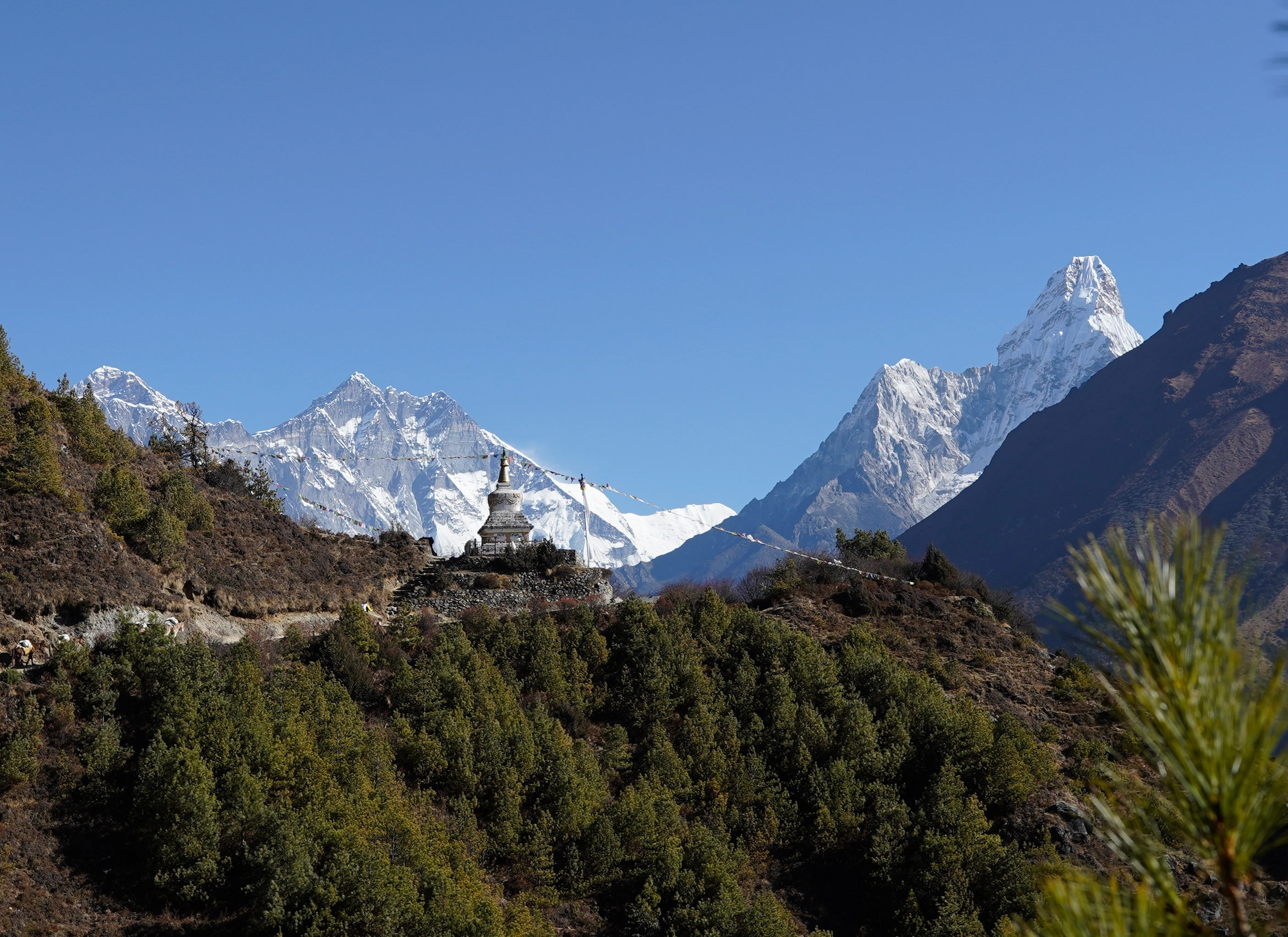
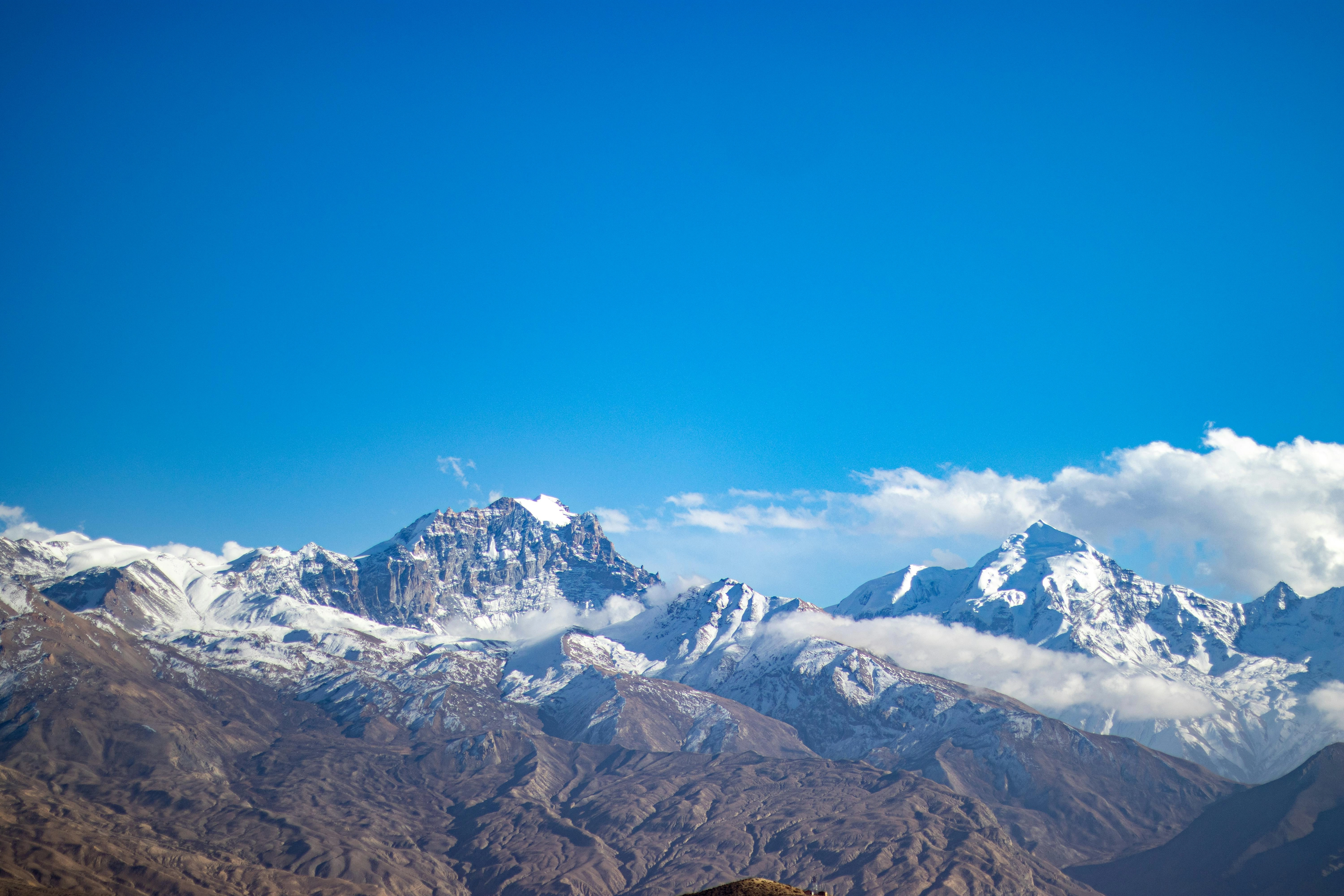
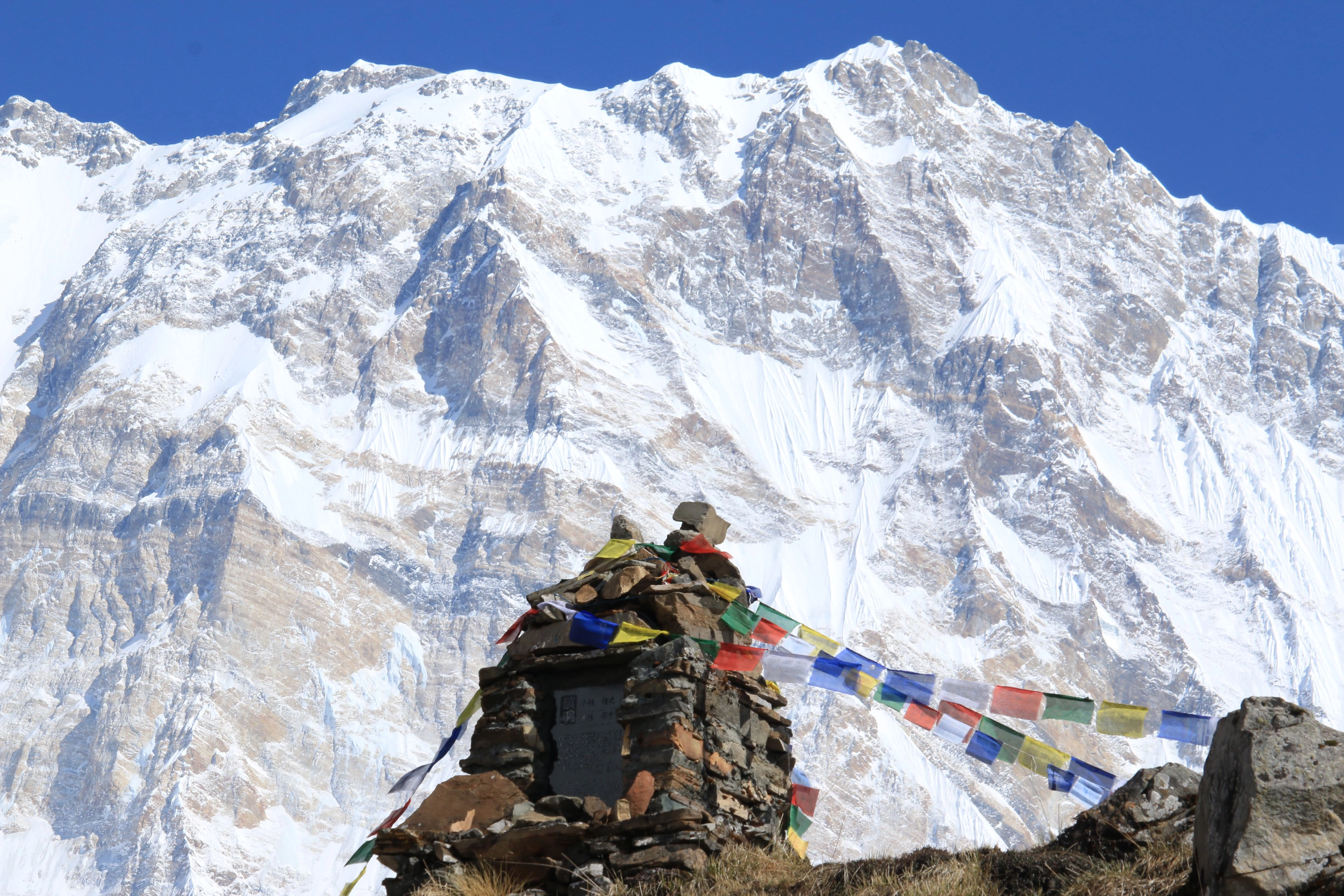
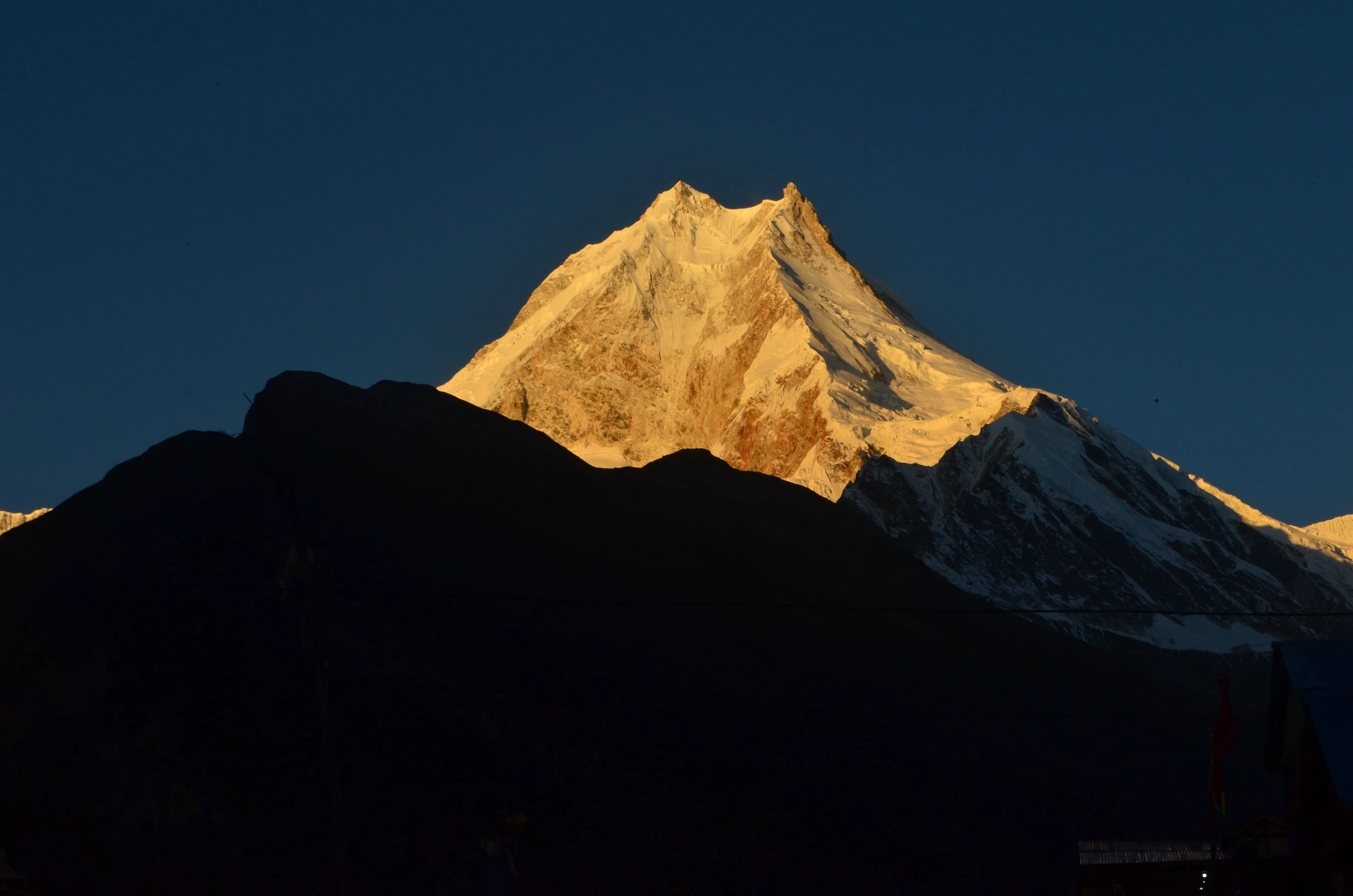
After the monsoon rains, the landscapes are lush and vibrant, and the mountains are at their most visible. Peaks like Everest, Annapurna, Manaslu, and Dhaulagiri appear sharp and majestic against clear skies, giving trekkers unforgettable photography opportunities. Autumn skies are usually free from haze, making it the perfect time for panoramic vistas and sunrise views.

Ideal Trail Conditions

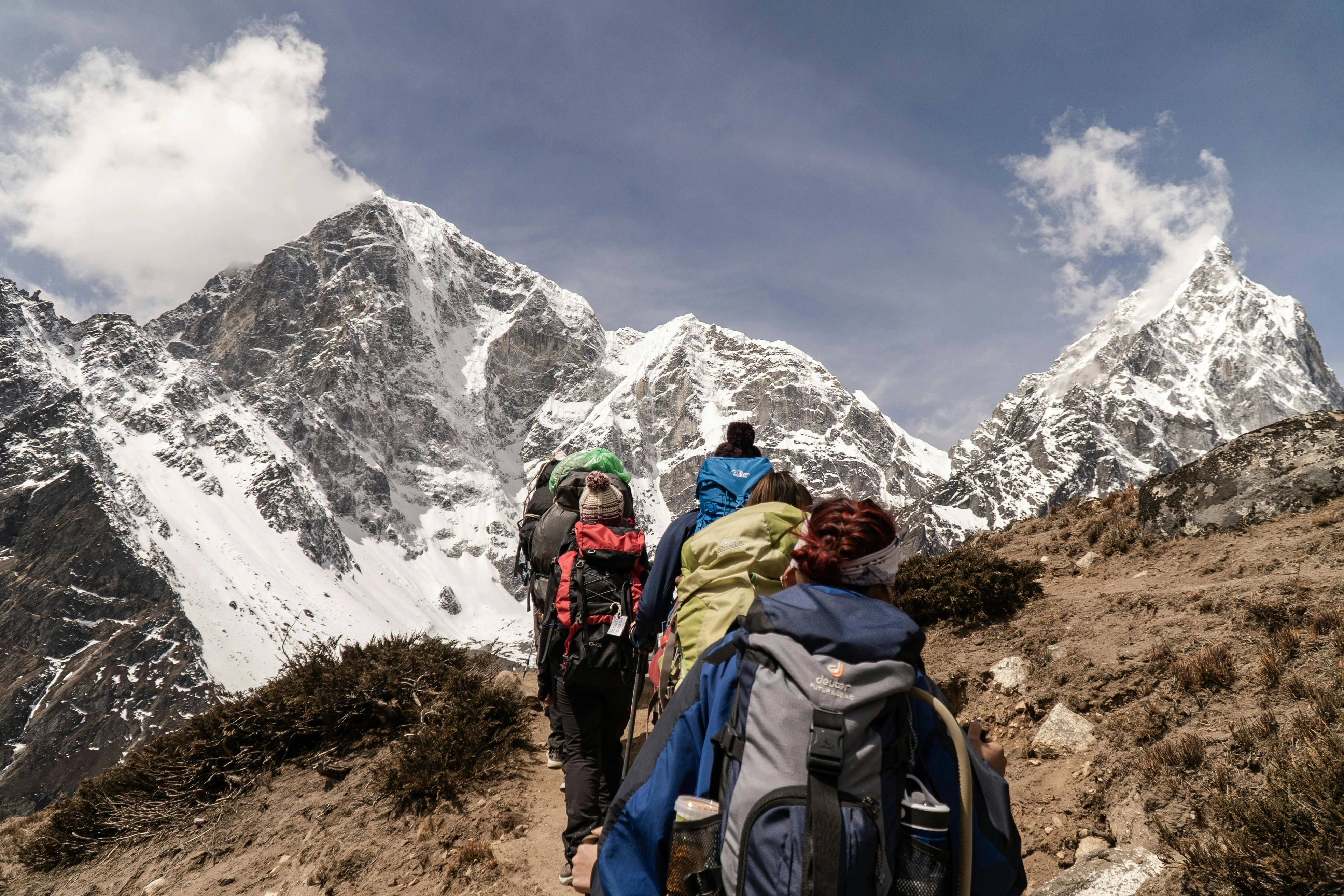
Autumn trails are in excellent condition. The paths are less muddy compared to the monsoon season, reducing the risk of slips or delays. Trekkers also find teahouses, lodges, and local facilities fully operational, as this season aligns with the high trekking season. This makes logistics, accommodations, and meals easy and comfortable.

Vibrant Festivals and Local Culture

Autumn is also Nepal’s festival season, offering trekkers a chance to experience local culture and traditions. Festivals like Dashain and Tihar showcase colorful rituals, dances, and celebrations. This provides a unique cultural immersion alongside your trekking adventure, making the journey more enriching and memorable.

Rich Natural Beauty

The post-monsoon season leaves valleys, forests, and meadows lush and vibrant. Rhododendron blooms may be past, but autumn brings golden forests, crystal-clear rivers, and terraced hillsides that add a magical charm to your trek. Wildlife is more visible in lower valleys, offering trekkers a chance to experience Nepal’s diverse flora and fauna.

Fewer Health Concerns

Autumn is safer for trekking compared to the monsoon or winter. Mosquitoes and other insects are minimal, reducing the risk of bites and related illnesses. Water sources are clear, and the moderate temperatures prevent extreme fatigue or cold-related issues during high-altitude treks.

Ideal for Both Beginners and Experienced Trekkers

Whether you are a first-time trekker or a seasoned mountaineer, autumn provides optimal conditions for all. Trails are safer, the weather is reliable, and the scenery is stunning. It’s an ideal season to conquer high passes, enjoy long daylight hours, and create lasting memories.

Conclusion

Autumn in Nepal is truly the perfect season for trekking. With clear skies, pleasant weather, stunning Himalayan views, rich cultural experiences, and well-maintained trails, it offers an unmatched trekking experience. Whether you aim to explore remote villages, conquer high mountains, or simply enjoy nature, autumn provides everything needed for an unforgettable adventure.

mountain

All Blogs

Why Autumn is the Best Season for Trekking in Nepal
Trekking

Why Autumn is the Best Season for Trekking in Nepal

Perfect Weather Conditions

Autumn, which falls between September and November, is widely considered the ideal trekking season in Nepal. The monsoon has just ended, leaving the air crisp, clear, and fresh. Skies are generally bright blue, providing breathtaking panoramic views of the Himalayas. Daytime temperatures are moderate, making trekking comfortable, while nights are cooler, perfect for cozy teahouses.

Stunning Himalayan Views

After the monsoon rains, the landscapes are lush and vibrant, and the mountains are at their most visible. Peaks like Everest, Annapurna, Manaslu, and Dhaulagiri appear sharp and majestic against clear skies, giving trekkers unforgettable photography opportunities. Autumn skies are usually free from haze, making it the perfect time for panoramic vistas and sunrise views.

Ideal Trail Conditions

Autumn trails are in excellent condition. The paths are less muddy compared to the monsoon season, reducing the risk of slips or delays. Trekkers also find teahouses, lodges, and local facilities fully operational, as this season aligns with the high trekking season. This makes logistics, accommodations, and meals easy and comfortable.

Vibrant Festivals and Local Culture

Autumn is also Nepal’s festival season, offering trekkers a chance to experience local culture and traditions. Festivals like Dashain and Tihar showcase colorful rituals, dances, and celebrations. This provides a unique cultural immersion alongside your trekking adventure, making the journey more enriching and memorable.

Rich Natural Beauty

The post-monsoon season leaves valleys, forests, and meadows lush and vibrant. Rhododendron blooms may be past, but autumn brings golden forests, crystal-clear rivers, and terraced hillsides that add a magical charm to your trek. Wildlife is more visible in lower valleys, offering trekkers a chance to experience Nepal’s diverse flora and fauna.

Fewer Health Concerns

Autumn is safer for trekking compared to the monsoon or winter. Mosquitoes and other insects are minimal, reducing the risk of bites and related illnesses. Water sources are clear, and the moderate temperatures prevent extreme fatigue or cold-related issues during high-altitude treks.

Ideal for Both Beginners and Experienced Trekkers

Whether you are a first-time trekker or a seasoned mountaineer, autumn provides optimal conditions for all. Trails are safer, the weather is reliable, and the scenery is stunning. It’s an ideal season to conquer high passes, enjoy long daylight hours, and create lasting memories.

Conclusion

Autumn in Nepal is truly the perfect season for trekking. With clear skies, pleasant weather, stunning Himalayan views, rich cultural experiences, and well-maintained trails, it offers an unmatched trekking experience. Whether you aim to explore remote villages, conquer high mountains, or simply enjoy nature, autumn provides everything needed for an unforgettable adventure.

mountain

Upcoming packages

packages
Expedition

HIMLUNG HIMAL EXPEDITION

Hidden deep in the wild folds of the Manang region near the Tibetan border, Himlung Himal (7,126 m) rises in serene isolation; a mountain reserved for those who seek adventure away from crowded routes. The Himlung Himal Expedition 2025 with Altinepal Treks offers a rare Himalayan journey blending true wilderness, high-altitude mountaineering, and authentic cultural immersion.

The route passes through the restricted Nar-Phu Valley, one of Nepal’s most untouched Himalayan corridors. Winding through ancient Buddhist villages, narrow gorges, and yak pastures, the trail follows centuries-old salt-trading paths that still echo with the sounds of wind and prayer wheels. Few expeditions offer this combination of natural purity, remoteness, and approachable climbing height.

Starting in Kathmandu, the journey moves westward to Besisahar and Koto, where teahouse comfort fades into wild, wind-swept landscapes. Gradual trekking days through Ngawal, Meta, and Phu Gaun prepare the body for altitude while immersing the mind in timeless culture - mani walls carved with prayers, fluttering flags over stone roofs, and yak caravans crossing wooden bridges.


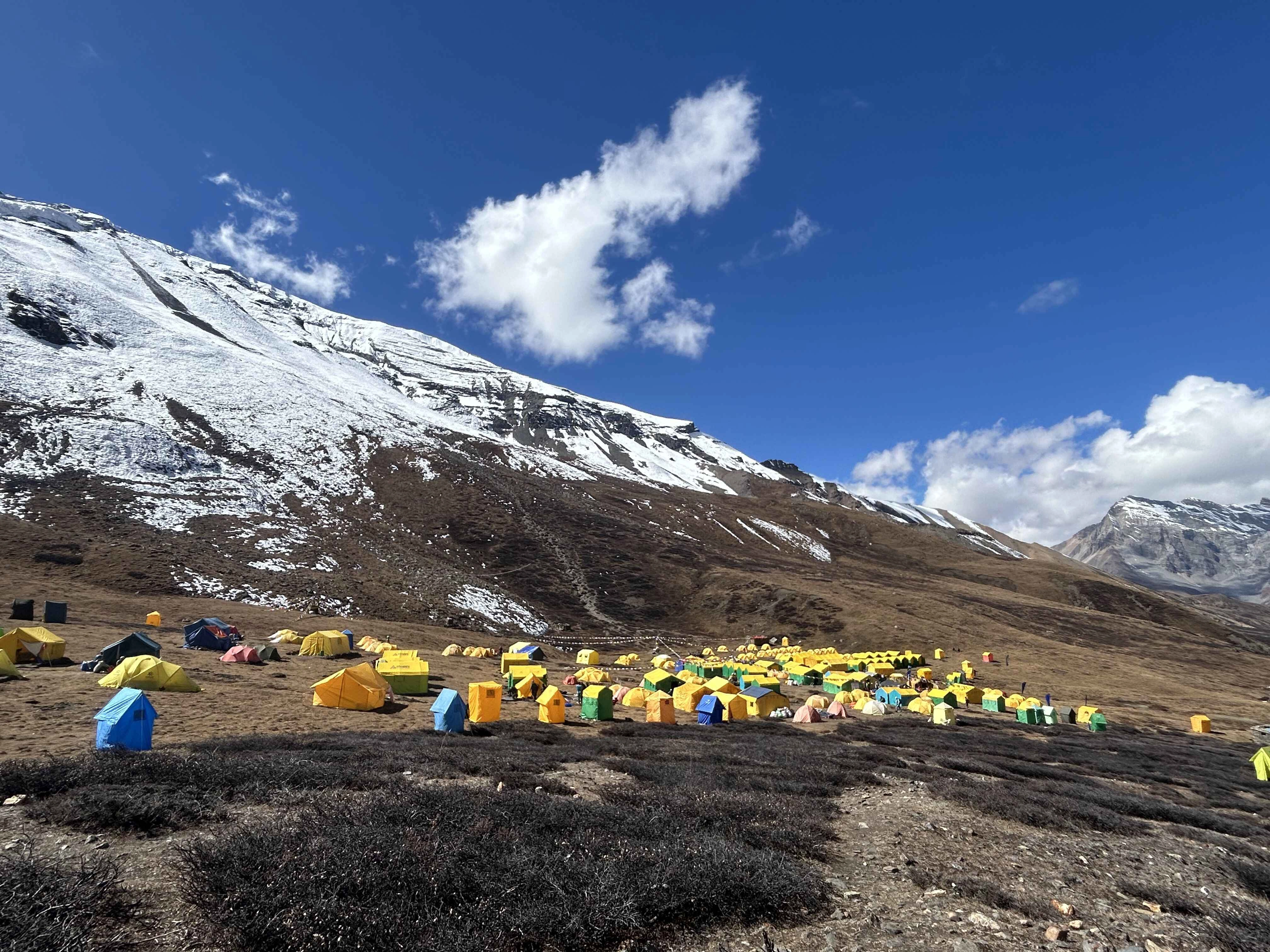
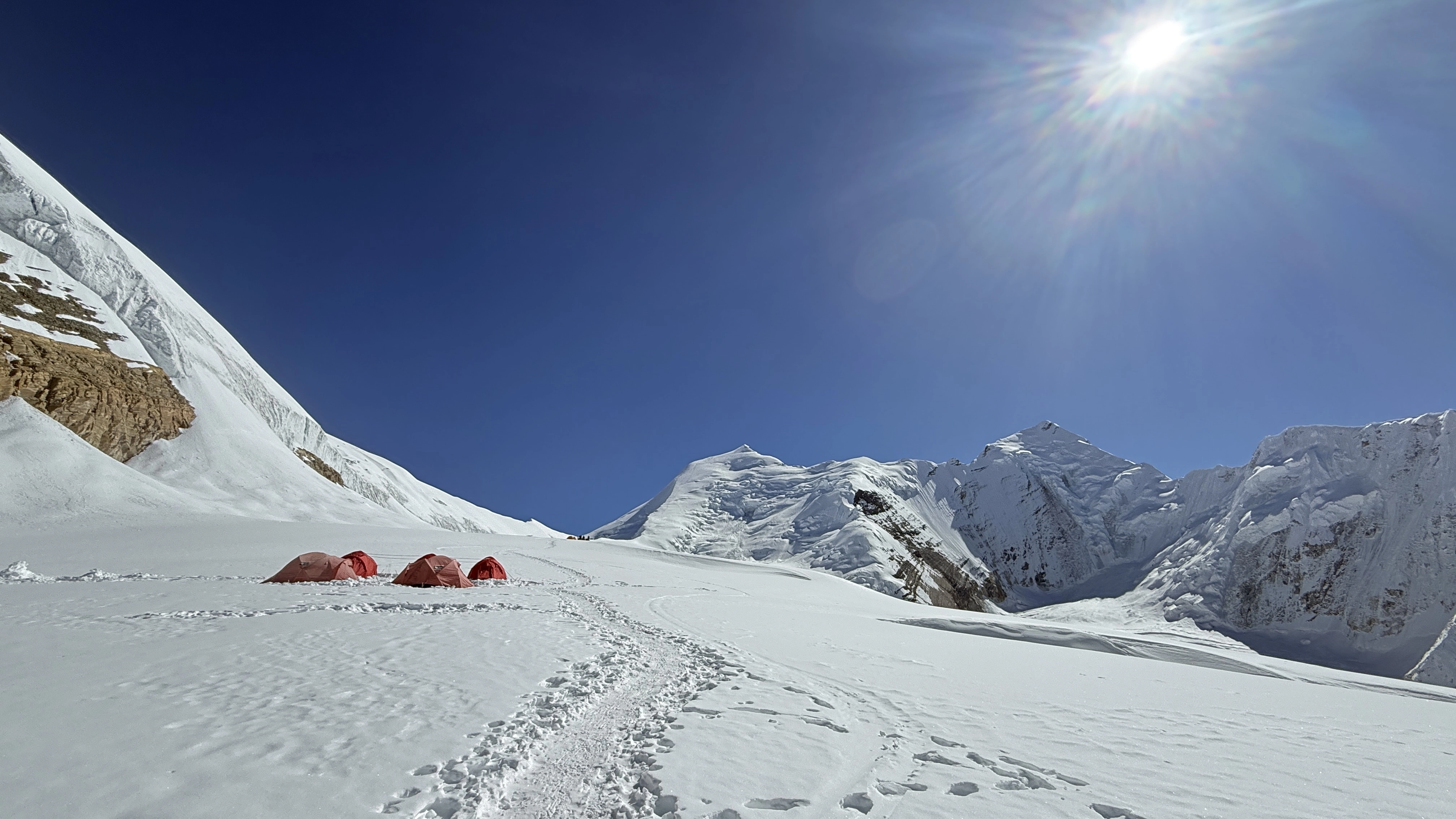
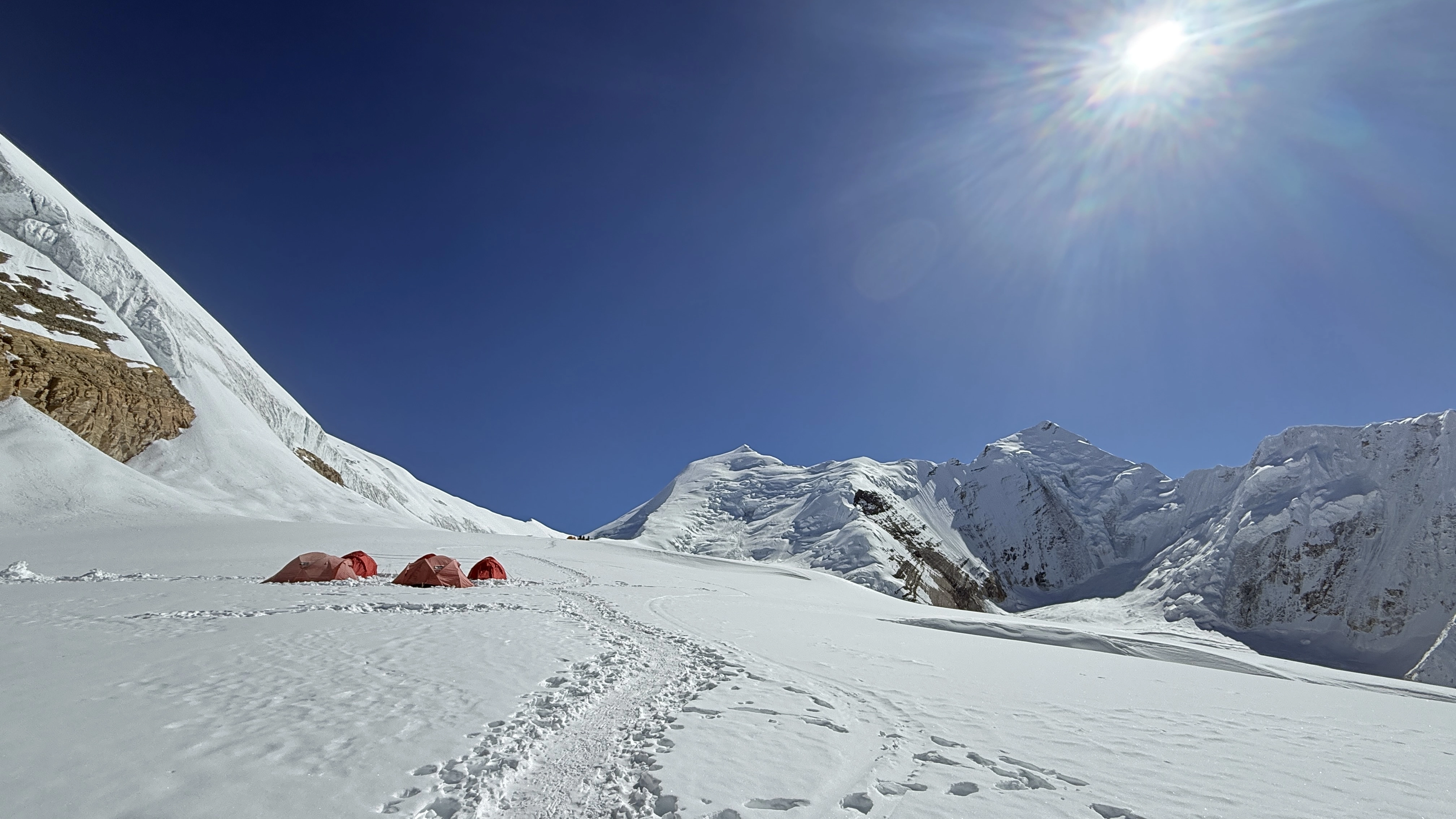
At Base Camp (4,850 m), surrounded by pristine glaciers and ridgelines, the team trains and acclimatizes before the climb. Himlung Himal is considered a “beginner’s 7000er” - technically moderate but demanding in endurance, patience, and weather sense. Our approach includes multiple acclimatization rotations between Camp 1 (5,450 m) and Camp 2 (6,000 m) before making a final push to the summit.


Summit day brings an unforgettable moment - dawn over the Annapurna and Manaslu ranges, the distant sweep of the Tibetan plateau, and the thrill of standing where only a few have ever reached. After celebrating this achievement, the descent is calm and reflective, back through Phu Gaun, Meta, and the serene Manang trails toward Kathmandu.


Climbing Himlung Himal with Altinepal Treks means climbing with people who call these mountains home. Our certified leaders, experieu nced high-altitude Sherpas, and Nepali logistics team provide not only technical guidance and safety but the heartfelt support that defines real Himalayan climbing.

packages
Expedition

Mt. MANASLU EXPEDITION 2026

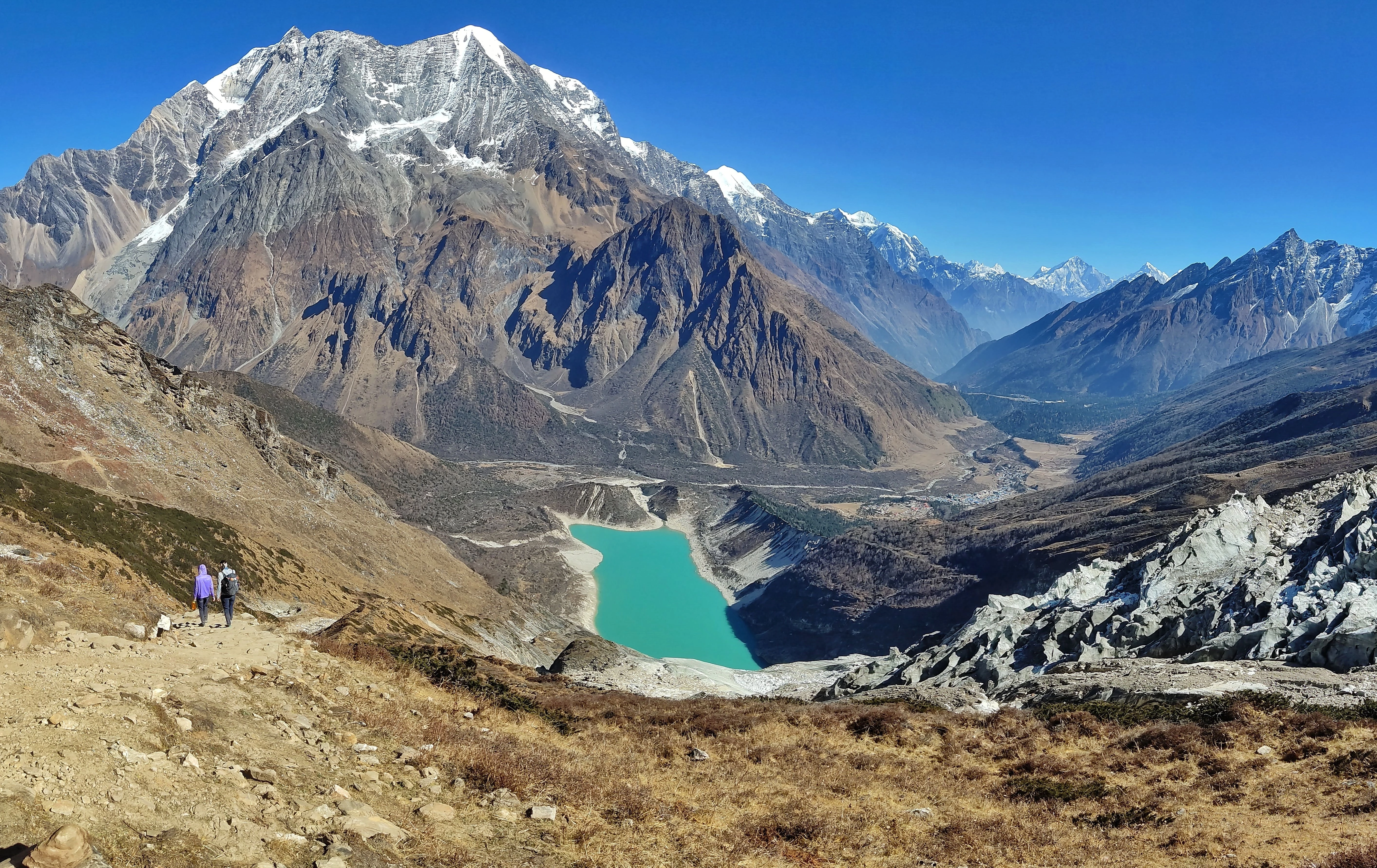
Standing isolated in the remote Gorkha region, Manaslu (8,163 m) rises with an elegance that has earned it the name “The Mountain of Spirit.” Unlike crowded 8000ers, Manaslu offers purity, silence, and wide-open Himalayan wilderness making it a favorite among experienced climbers preparing for Everest or seeking a soulful high-altitude ascent.

Your journey with AltiNepal Treks begins in Kathmandu before driving deep into the Manang Valley. Villages gradually thin out as you trek through Surki Khola, Bhimtang, Samdo, and Samagaun, each offering a blend of mountain culture and time-tested Sherpa hospitality. The approach route gives your body time to adjust, strengthened by acclimatization days in scenic high-altitude villages.

From Manaslu Base Camp, the expedition follows the traditional rotation strategy: climb high, sleep low, and gradually move between camps until your body is fully prepared for the summit push. Over nearly two weeks, you will practice rope techniques, glacier travel, crossing steep snow faces, and navigating fixed lines under the guidance of expert Sherpas.

Summit day is long and demanding  but the reward is indescribable. From the top, the Annapurna, Himalchuli, Ganesh Himal, and Tibetan Plateau stretch endlessly beneath the rising sun. It’s a quiet, surreal moment earned through discipline, courage, and teamwork.

Descending safely to Base Camp and flying back to Kathmandu by helicopter marks the perfect conclusion to a truly world-class Himalayan expedition.

This is more than a climb, it's a deep cultural and spiritual journey through one of Nepal’s most untouched regions.


packages
Expedition

AMA DABLAM EXPEDITION

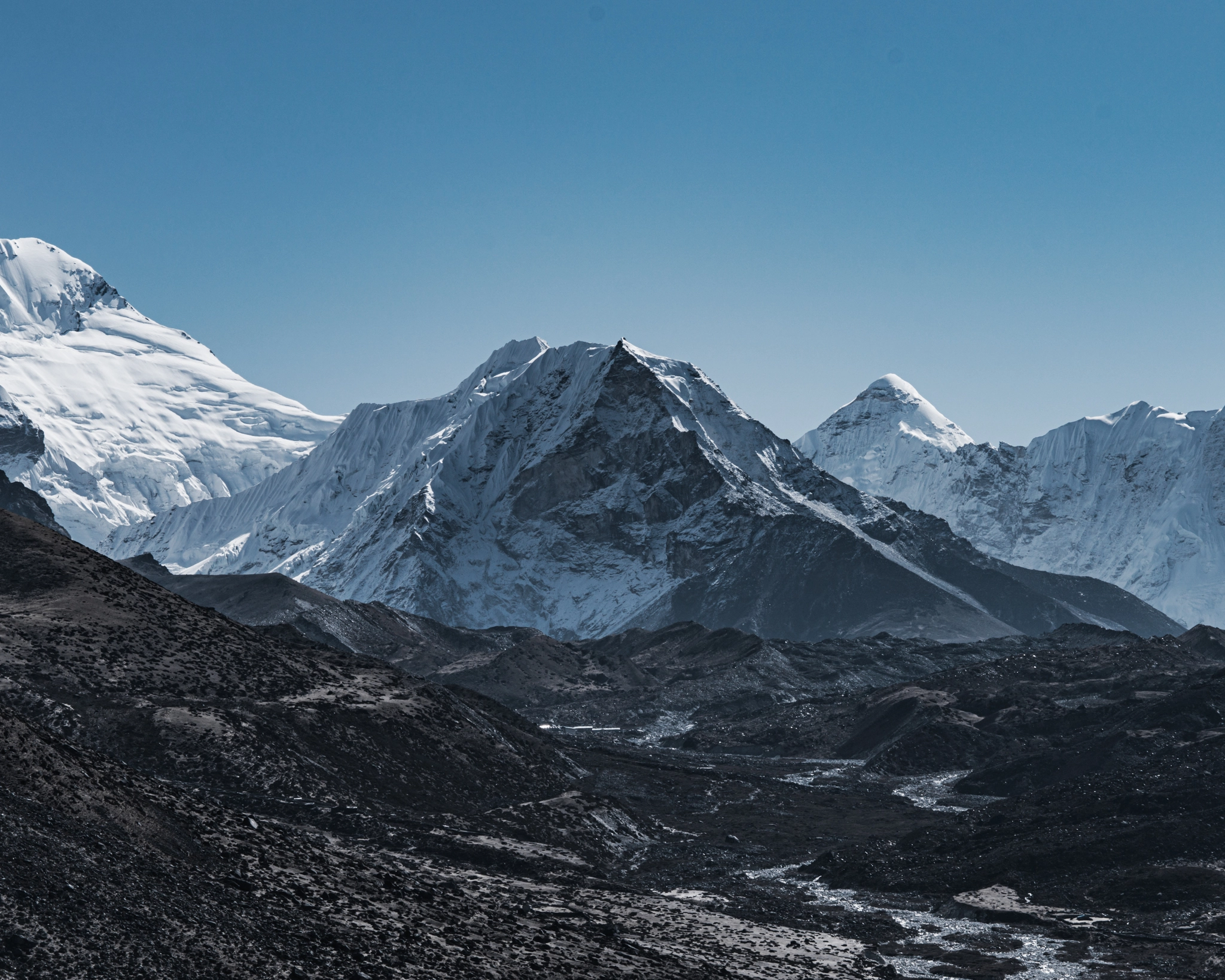
The Ama Dablam Expedition 2025 with AltiNepal Treks is designed for experienced climbers who want a technical, elegant Himalayan peak without the chaos of the 8000ers. Often called the “Matterhorn of the Himalaya,” Ama Dablam stands high above the Khumbu Valley as a perfect pyramid of rock, snow, and ice visible from almost every classic Everest viewpoint.

Your journey starts in Kathmandu, followed by a flight to Lukla and a classic approach through Phakding, Namche, Khumjung, and Pangboche. The trek itself is already a highlight, with monasteries, spinning prayer wheels, suspension bridges, and constant views of Everest and Ama Dablam drawing closer each day.

At Ama Dablam Base Camp (~4,570 m), you shift from trekker to climber. Under the guidance of professional technical mountain guides and Sherpa climbers, you spend several days on pre-climb training, safety briefings, and equipment checks. Rotation climbs and load carries up to higher camps allow your body to adapt and build familiarity with the route.

The summit push follows the traditional route through Camp 1 and Camp 2, tackling mixed rock, snow, and exposed ridges that have made Ama Dablam legendary in the mountaineering world. The climb is steep, technical, and incredibly rewarding with jaw-dropping views of Everest, Lhotse, Makalu, and the entire Khumbu.

After the summit window, a helicopter flight from Base Camp to Kathmandu brings you quickly and comfortably back to the capital, where the expedition ends with a well-earned farewell celebration.

This is a serious mountaineering objective, crafted for climbers who respect the mountain, value professional logistics, and want to climb Ama Dablam the right way with a strong local team, solid planning, and safe pacing.