EVEREST EXPEDITION 2026 WITH ALTINEPAL TREKS

EVEREST EXPEDITION 2026 WITH ALTINEPAL TREKS

Country

Nepal

Level

extreme

Duration

45 Days

Altitude

8848 M

Group Size

1-15

Best Season

Spring and Autumn

mountain

Highlights

  • Flexible guiding options. IFMGA professionals or standard guides
  • Summit Mount Everest (8,848.86 m)  the highest peak on Earth

  • Follow the legendary Everest Base Camp trail through the heart of Khumbu

  • Professionally organized expedition with full logistical support

  • Climb via the classic South Col Route

  • Experience extended high-altitude acclimatization and rotation climbs

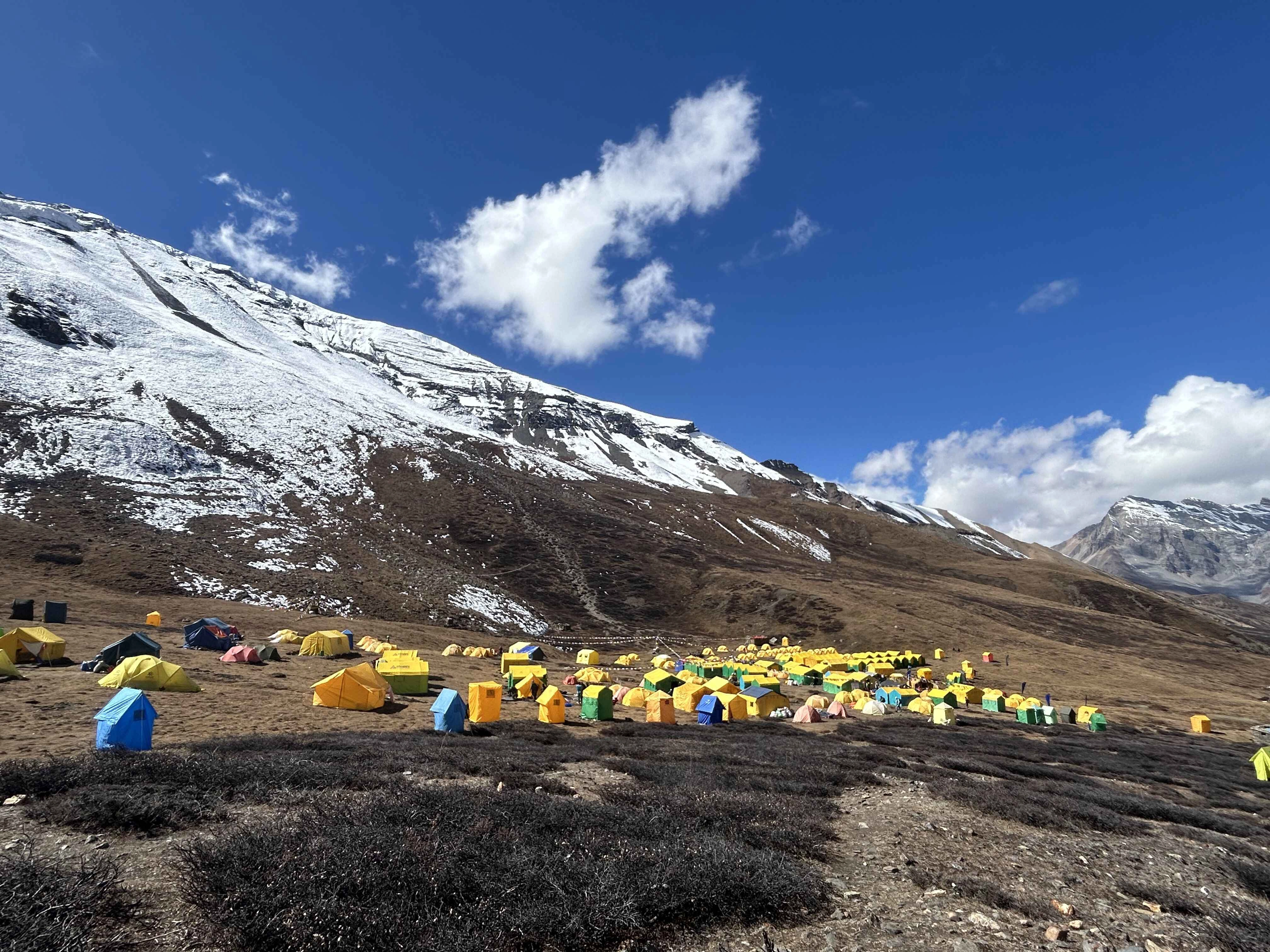
  • Fully serviced Base Camp with comfortable dining, medical, and communication facilities

  • Fixed ropes through the Khumbu Icefall, Lhotse Face, and South Col

  • Advanced weather forecasting and emergency response systems

  • A true lifetime achievement for elite mountaineers
Overview

The Mount Everest Expedition 2026 with Altinepal Treks is the ultimate Himalayan challenge, designed for experienced climbers seeking to stand on the highest point on Earth. This carefully structured 45-day expedition follows the legendary South Col route, combining time-tested acclimatization strategies, professional logistics, and high-level safety standards.

Your journey begins in Kathmandu, where final preparations and official briefings set the foundation for success. A scenic flight to Lukla introduces the Khumbu region, followed by a gradual trek through Sherpa heartland villages such as Phakding, Namche Bazaar, Tengboche, and Dingboche. These days allow proper acclimatization while immersing you in Himalayan culture and Buddhist traditions.

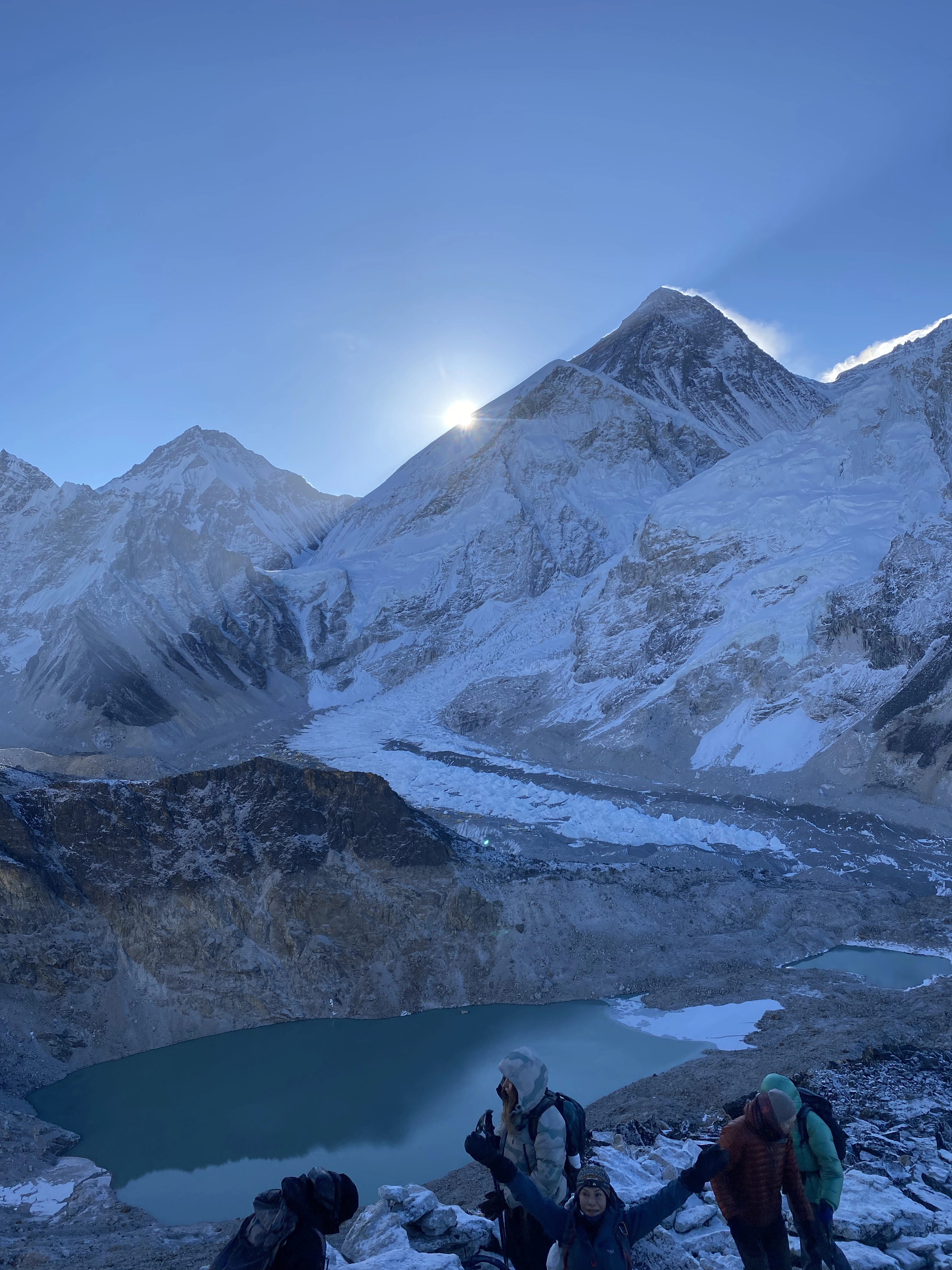
Reaching Everest Base Camp (5,300 m) marks the start of the true expedition phase. Over several weeks, you will complete a series of strategic rotations through Camps I to IV, navigating the Khumbu Icefall, ascending the Lhotse Face, and resting at the South Col. These rotations allow your body to adapt while the Sherpa team establishes fixed lines and camps.

When the weather window opens, the summit push begins. Starting late at night from Camp IV, climbers ascend past the Balcony, South Summit, and Hillary Step before reaching the top of the world at sunrise. Standing on Everest’s summit is a moment beyond words earned through discipline, patience, teamwork, and resilience.

With strong Sherpa support, oxygen systems, emergency planning, and personalized care, Altinepal Treks ensures that your Everest dream is approached with professionalism, respect for the mountain, and the highest safety standards possible.

Itinerary

Reach Tribhuvan International Airport, where you will be transferred to your hotel. Settle in, rest, and attend the welcome briefing. This is your first introduction to Nepal’s culture and vibrant capital. Evening welcome dinner with the team.

Full day for expedition preparation, equipment inspection, permit processing, and safety briefings. Finalize gear and review itinerary with guides. Essential instructions for high-altitude climbing are covered.

Scenic flight to Lukla. Begin trekking along the Dudh Koshi River to Phakding, passing traditional villages and rhododendron forests. Gentle introduction to Khumbu trekking with spectacular Himalayan views.
Trekking Duration: 3 hrs

Cross suspension bridges and enter Sagarmatha National Park. Ascend gradually to Namche Bazaar, the Sherpa hub. Take in Everest views and explore the bustling market upon arrival.
Trekking Duration: 5–6 hrs

Short hike to Everest View Hotel for panoramic vistas of Everest and surrounding peaks. Return to Namche Bazaar to rest, acclimatize, and explore Sherpa culture.
Trekking Duration: 4 hrs 

Trek through forests and ridges to Tengboche Monastery. Experience cultural insights and breathtaking views of Ama Dablam along the way.
Trekking Duration: 5 hrs

Descend to Deboche, cross Imja River, and ascend gradually to Dingboche. Spectacular Himalayan scenery, including views of Ama Dablam and Lhotse.
Trekking Duration: 5 hrs

Rest and optional hikes to nearby peaks for acclimatization. Prepare for high-altitude climbing with gentle exercises.

Follow the Khumbu Valley and glacial moraine, passing Thukla Pass memorials. Prepare for high camp and climbing rotations.
Trekking Duration: 5–6 hrs 

Short climb to Lobuche High Camp. Final preparations for Lobuche Peak summit attempt.
Trekking Duration: 3 hrs

Early morning alpine starts. Climb via rocky ridges and snow slopes. Summit Lobuche East for panoramic views. Descend safely to Lobuche.
Climbing Duration: 9–10 hrs

Walk along the Khumbu Glacier to Everest Base Camp. Camp setup and orientation. Prepare for the Everest climbing period.
Trekking Duration: 4 hrs

Series of rotations between Camps I–IV for acclimatization. Prepare for summit push while navigating the Khumbu Icefall, Lhotse Face, and South Col. Summit attempt timed according to weather. Fully supported expedition with Sherpa and medical assistance.

Helicopter flight or trek down. Transfer to Kathmandu. Rest and celebrate the expedition's success.

Buffer day for unforeseen delays, rest, or sightseeing. Optional exploration of Kathmandu.

Head to Tribhuvan International Airport to catch your onward flight. End of expedition.

Includes

International & domestic airport transfers
Round-trip flights Kathmandu–Lukla–Kathmandu (via Ramechhap if required)
Cargo transport and porter services
4 nights hotel in Kathmandu with breakfast
Welcome and farewell dinners
Three meals daily at Everest Base Camp
Everest climbing permit and government royalty
Khumbu Icefall and route fixing fees
Garbage deposit and waste management
Government Liaison Officer with full support
Fresh food flown to Base Camp by helicopter
Personal tent, mattress, and pillow
Dining, kitchen, toilet, and common tents
Fully supported Camps I–IV
Walkie-talkies for team communication
Satellite phone for emergencies
Weather forecasting services
On-site HRA medical support
6 oxygen bottles per climber
Summit mask and regulator
Backup oxygen (chargeable if used)
Standby rescue Sherpa
Helicopter evacuation coordination
First-aid and medical kits
Expedition duffel bag (if required)

Excludes

International airfare
Nepal visa fees
Personal travel and rescue insurance
Personal climbing equipment
Lunch and dinner in Kathmandu
Personal expenses and snacks
Drone or filming permits
Summit bonus for Sherpas
Tips for Base Camp staff
Any costs not mentioned in inclusions

Notes

note
Climbing Grade: Extremely challenging; snow, ice, and fixed ropes.
note
Fitness: Excellent; prior high-altitude experience recommended.
note
Season: April–May, September–November.
note
Accommodation: Kathmandu hotels, teahouses, and expedition tents.
note
Communication: Wi-Fi in villages, satellite above Dingboche.
note
Safety: Backup oxygen, first-aid, Sherpa support, helicopter evacuation.
note
Equipment: Personal climbing gear required; technical gear provided.
note
Pace: Proper acclimatization and rest days.
note
Culture: Tengboche Monastery, Sherpa villages, local traditions.
Relevant Blogs

 Trekking to Everest Base Camp: A Complete Guide

Trekking to Everest Base Camp: A Complete Guide

Everest Base Camp (EBC) Trek is the ultimate adventure for trekkers and mountaineers seeking to witness the world’s highest peak up close. The journey takes you through stunning Himalayan landscapes, Sherpa villages, and iconic landmarks like Namche Bazaar and Tengboche Monastery.

Best Time to Trek

  • Pre-monsoon (March to May): Clear skies, blooming rhododendrons, ideal for photography.

  • Post-monsoon (September to November): Stable weather, snow-capped peaks, and fewer clouds.

Trekking Route & Highlights

  • Lukla to Namche Bazaar: Gateway to the Khumbu region, acclimatization day recommended.

  • Namche Bazaar to Tengboche: Experience Sherpa culture and visit famous monasteries.

  • Dingboche to Lobuche: Gradual altitude gain, dramatic mountain vistas.

  • Everest Base Camp: Celebrate reaching 5,364 meters with breathtaking views of Everest, Nuptse, and Lhotse.

Preparation & Tips

  • Train for endurance and strength; focus on hiking with a loaded backpack.

  • Carry essential gear: trekking boots, layered clothing, trekking poles.

  • Stay hydrated and follow acclimatization schedules to avoid altitude sickness.

 Conquering Nepal’s 7000ers: High-Altitude Expeditions

Conquering Nepal’s 7000ers: High-Altitude Expeditions

Nepal’s 7000-meter peaks offer a thrilling challenge for experienced mountaineers. These expeditions test technical skills, endurance, and mental strength while providing breathtaking views of the Himalayas.

Popular 7000ers

  • Annapurna IV (7,525 m)

  • Dhaulagiri II (7,751 m)

Preparation & Skills Required

  • Prior high-altitude trekking experience recommended.

  • Training in ice climbing, rope handling, and glacier navigation is essential.

  • Physical fitness and mental resilience are crucial for safety and success.

What to Expect on an Expedition

  • Guided support from experienced mountaineers.

  • Structured acclimatization schedules to prevent altitude sickness.

  • Remote wilderness, glaciers, and rugged alpine terrain.

Safety & Logistics

  • Professional support teams handle permits, base camp setup, and emergency plans.

  • Proper gear and oxygen supply are critical at higher altitudes.

 Peak Climbing in Nepal: From 6000ers to 8000ers

Peak Climbing in Nepal: From 6000ers to 8000ers

Nepal is a mountaineer’s dream, home to a wide range of peaks from accessible 6000-meter climbs to the world’s towering 8000ers. Each peak presents unique challenges, breathtaking scenery, and an opportunity to test both physical endurance and mental resilience. Whether you are a beginner aiming for a 6000-meter summit or an experienced climber targeting the world’s highest mountains, Nepal offers routes that cater to all levels of expertise.

Choosing the Right Peak

  • 6000ers: Ideal for beginners and intermediate climbers seeking high-altitude experience. Popular peaks include Island Peak, Mera Peak, and Lobuche East. These expeditions provide hands-on mountaineering training and acclimatization practice.

  • 7000ers: Suitable for experienced climbers ready for technical climbing challenges. Peaks like Annapurna IV and Dhaulagiri II require advanced skills, careful planning, and proper acclimatization.

  • 8000ers: Reserved for highly skilled mountaineers with prior high-altitude experience. Iconic peaks include Everest, Kanchenjunga, and Lhotse. These climbs demand top-level fitness, technical expertise, and full expedition support.

Preparation and Training

  • Physical Fitness: Cardiovascular endurance, strength training, and hiking with weighted packs are essential.

  • Technical Skills: Rope handling, ice climbing, glacier travel, and crevasse rescue training are required for 7000ers and 8000ers.

  • Acclimatization: Gradual ascent and rest days at base camps help prevent altitude sickness.

Essential Gear

  • Mountaineering boots, crampons, ice axes, harnesses, and ropes.

  • Layered clothing suitable for extreme cold and unpredictable weather.

  • Safety equipment including helmets, first-aid kits, and oxygen systems for higher peaks.

Logistics and Support

  • Hiring experienced guides and Sherpa support ensures safety and efficient expedition management.

  • Obtaining permits and insurance is mandatory for all peaks.

  • Base camps, high camps, and rescue planning are critical for high-altitude expeditions.

Safety and Environmental Responsibility

  • Respect local cultures and natural habitats.

  • Follow Leave No Trace principles to preserve the Himalayas.

  • Monitor health and weather conditions continuously during climbs.

 How to Choose Trekking Packages in Nepal

How to Choose Trekking Packages in Nepal

Nepal offers countless trekking options, from beginner-friendly trails to challenging high-altitude expeditions. Choosing the right trekking package can make the difference between a smooth, enjoyable adventure and a stressful experience. This guide helps travelers select the best package based on their preferences, experience, and goals.

1. Identify Your Trekking Goals

  • Determine whether you want a leisurely trek, cultural experience, or high-altitude challenge.

  • Decide on the duration of the trek: short (5–7 days), medium (8–14 days), or long (15+ days).

  • Consider if you want guided or independent trekking.

2. Assess Your Fitness Level

  • Be honest about your physical fitness and endurance.

  • Beginners may prefer lower-altitude or moderate treks, while experienced trekkers can opt for more demanding trails.

  • Check if the package offers acclimatization days for high-altitude treks.

3. Look for Experienced Guides and Support

  • Guides with proper certification and experience ensure safety, navigation, and cultural insights.

  • Check if the package includes porters, cook staff, or base camp support for longer or higher-altitude treks.

4. Understand What’s Included

  • Confirm if meals, accommodation, transportation, permits, and insurance are part of the package.

  • Packages that include cultural experiences or homestays can enhance your journey.

  • Ensure clarity on extra costs for optional activities or tips.

5. Consider Safety and Emergency Preparedness

  • Ensure the trekking company has first-aid protocols and evacuation plans.

  • Check for altitude sickness guidance and emergency response procedures.

  • Confirm if guides are trained in basic mountaineering or medical emergencies.

6. Read Reviews and Testimonials

  • Research feedback from previous travelers to evaluate service quality and reliability.

  • Look for consistent positive reviews on safety, guide expertise, and overall experience.

Similar Packages

packages
Expedition

Mt. MANASLU EXPEDITION 2026

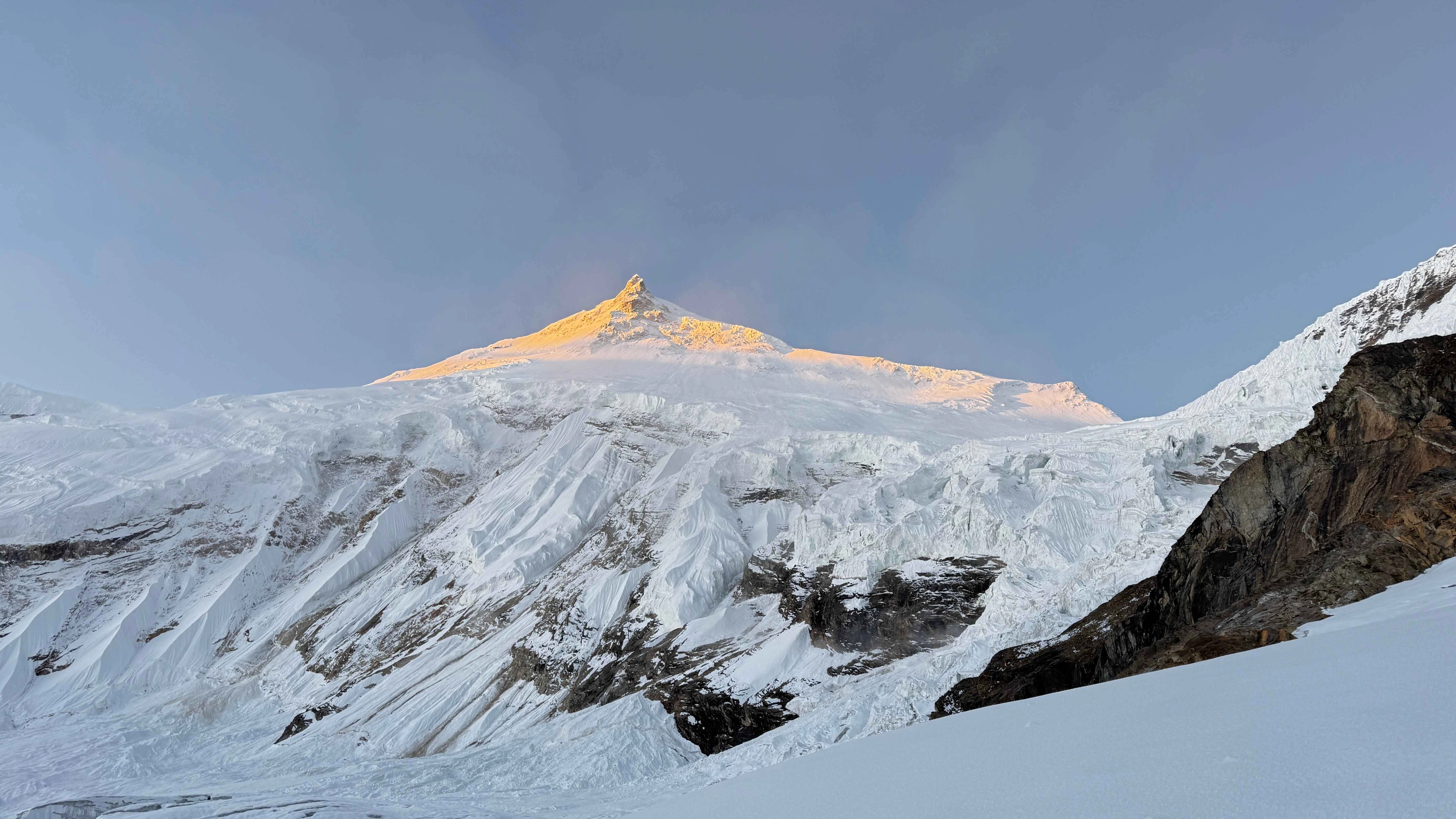
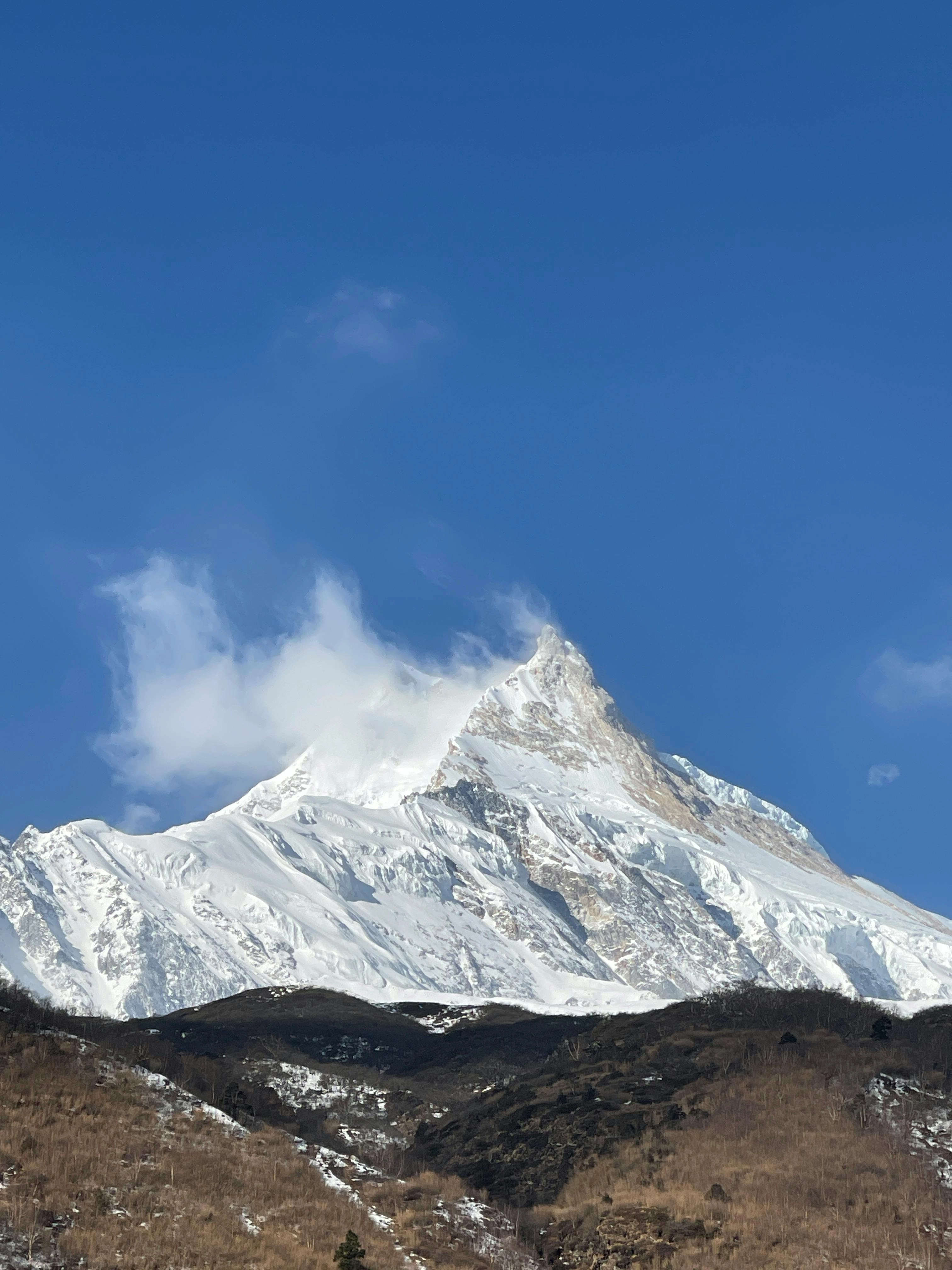
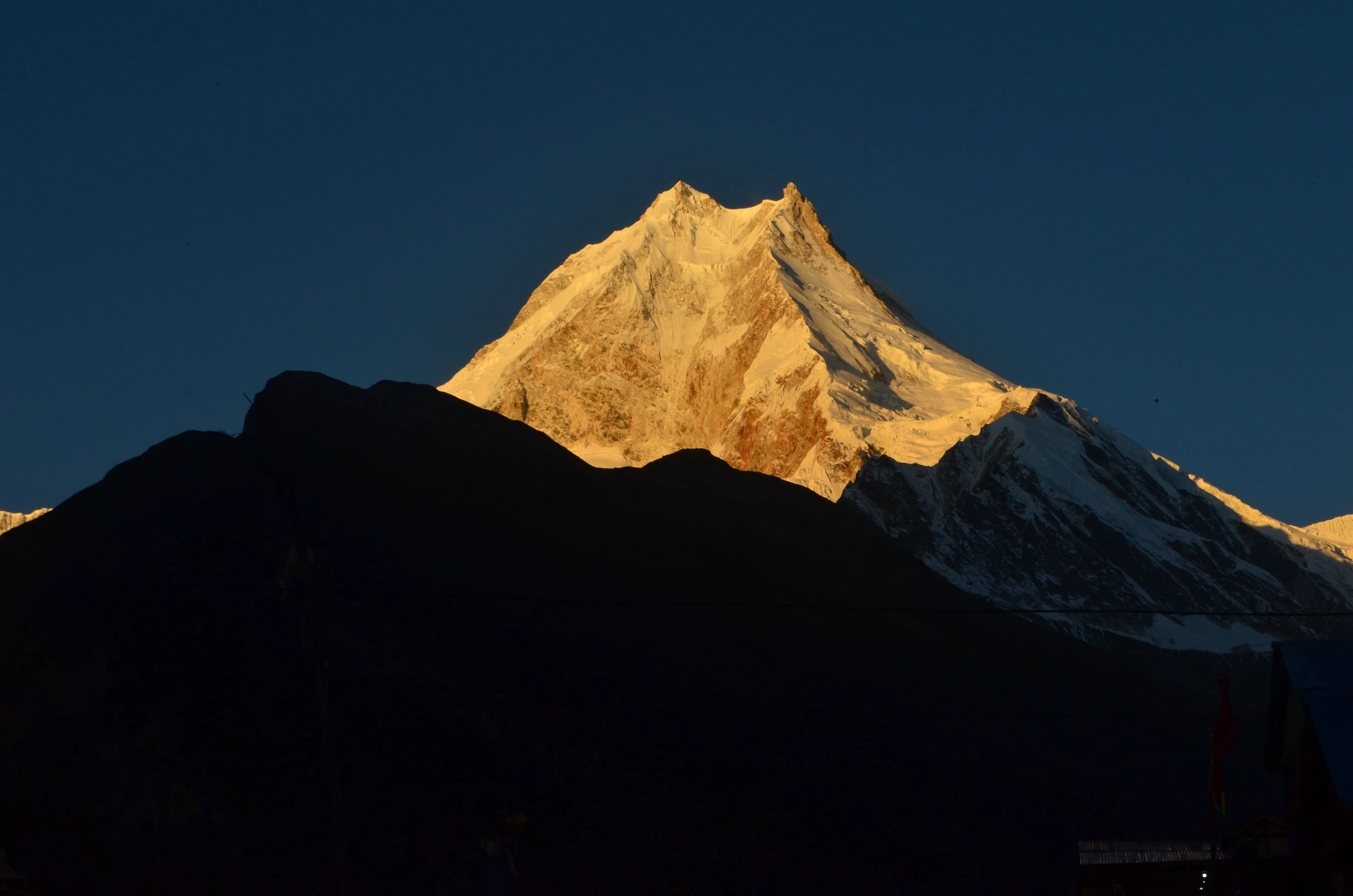
Standing isolated in the remote Gorkha region, Manaslu (8,163 m) rises with an elegance that has earned it the name “The Mountain of Spirit.” Unlike crowded 8000ers, Manaslu offers purity, silence, and wide-open Himalayan wilderness making it a favorite among experienced climbers preparing for Everest or seeking a soulful high-altitude ascent.

Your journey with AltiNepal Treks begins in Kathmandu before driving deep into the Manang Valley. Villages gradually thin out as you trek through Surki Khola, Bhimtang, Samdo, and Samagaun, each offering a blend of mountain culture and time-tested Sherpa hospitality. The approach route gives your body time to adjust, strengthened by acclimatization days in scenic high-altitude villages.

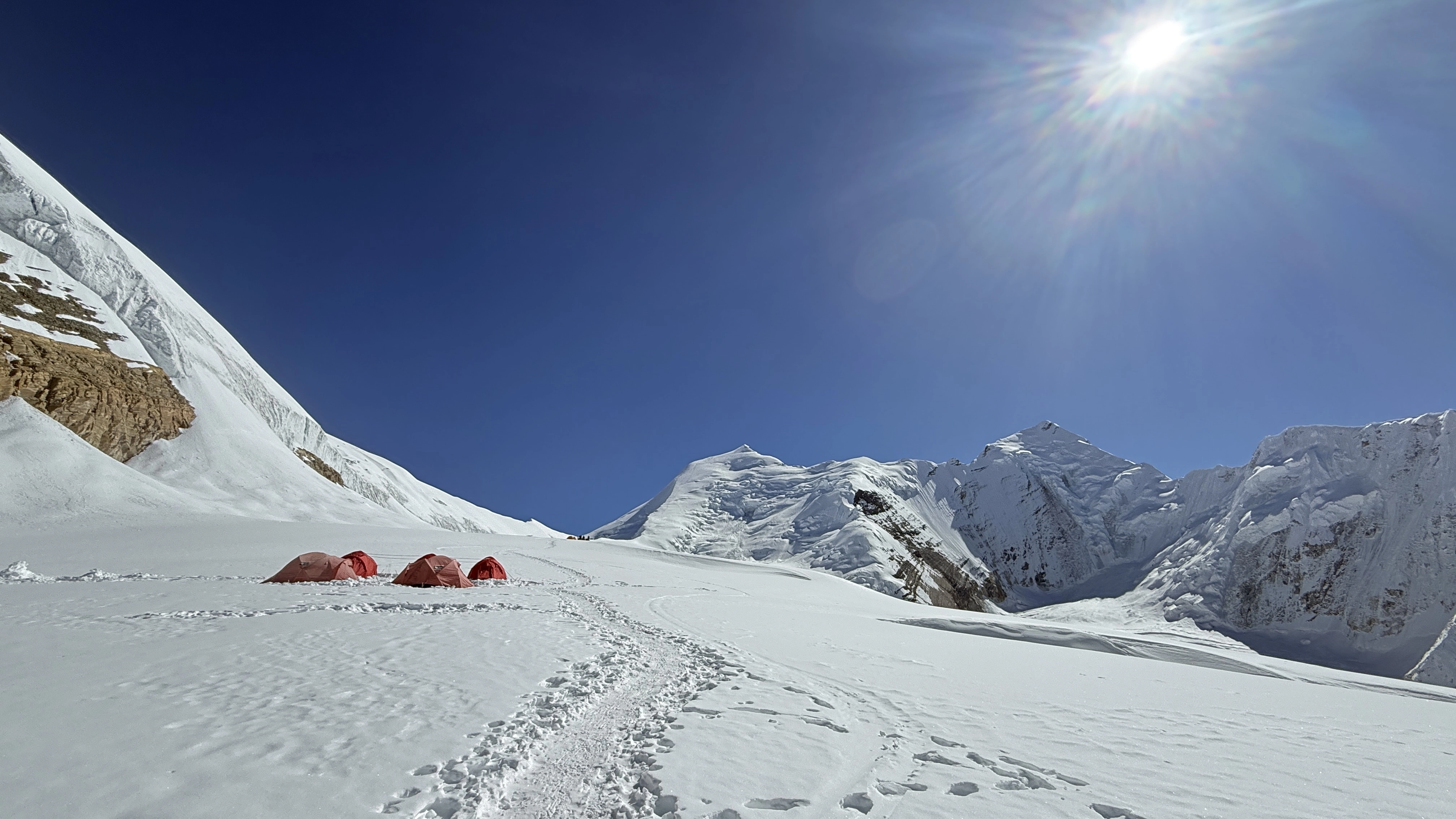
From Manaslu Base Camp, the expedition follows the traditional rotation strategy: climb high, sleep low, and gradually move between camps until your body is fully prepared for the summit push. Over nearly two weeks, you will practice rope techniques, glacier travel, crossing steep snow faces, and navigating fixed lines under the guidance of expert Sherpas.

Summit day is long and demanding  but the reward is indescribable. From the top, the Annapurna, Himalchuli, Ganesh Himal, and Tibetan Plateau stretch endlessly beneath the rising sun. It’s a quiet, surreal moment earned through discipline, courage, and teamwork.

Descending safely to Base Camp and flying back to Kathmandu by helicopter marks the perfect conclusion to a truly world-class Himalayan expedition.

This is more than a climb, it's a deep cultural and spiritual journey through one of Nepal’s most untouched regions.