EBC AND LOBUCHE EAST PEAK CLIMBING

EBC AND LOBUCHE EAST PEAK CLIMBING

Country

Nepal

Level

moderate

Duration

17 Days

Altitude

6119

Group Size

2-10

Best Season

Spring and Autumn

mountain

Highlights

  • Summit Lobuche East (6,119 m) a rewarding climb near Everest Base Camp.

  • Follow the legendary Everest Base Camp trail through Khumbu’s iconic villages.

  • Professional climbing training at Lobuche Base Camp with expert Sherpas.

  • Experience both trekking and alpine climbing in one itinerary.

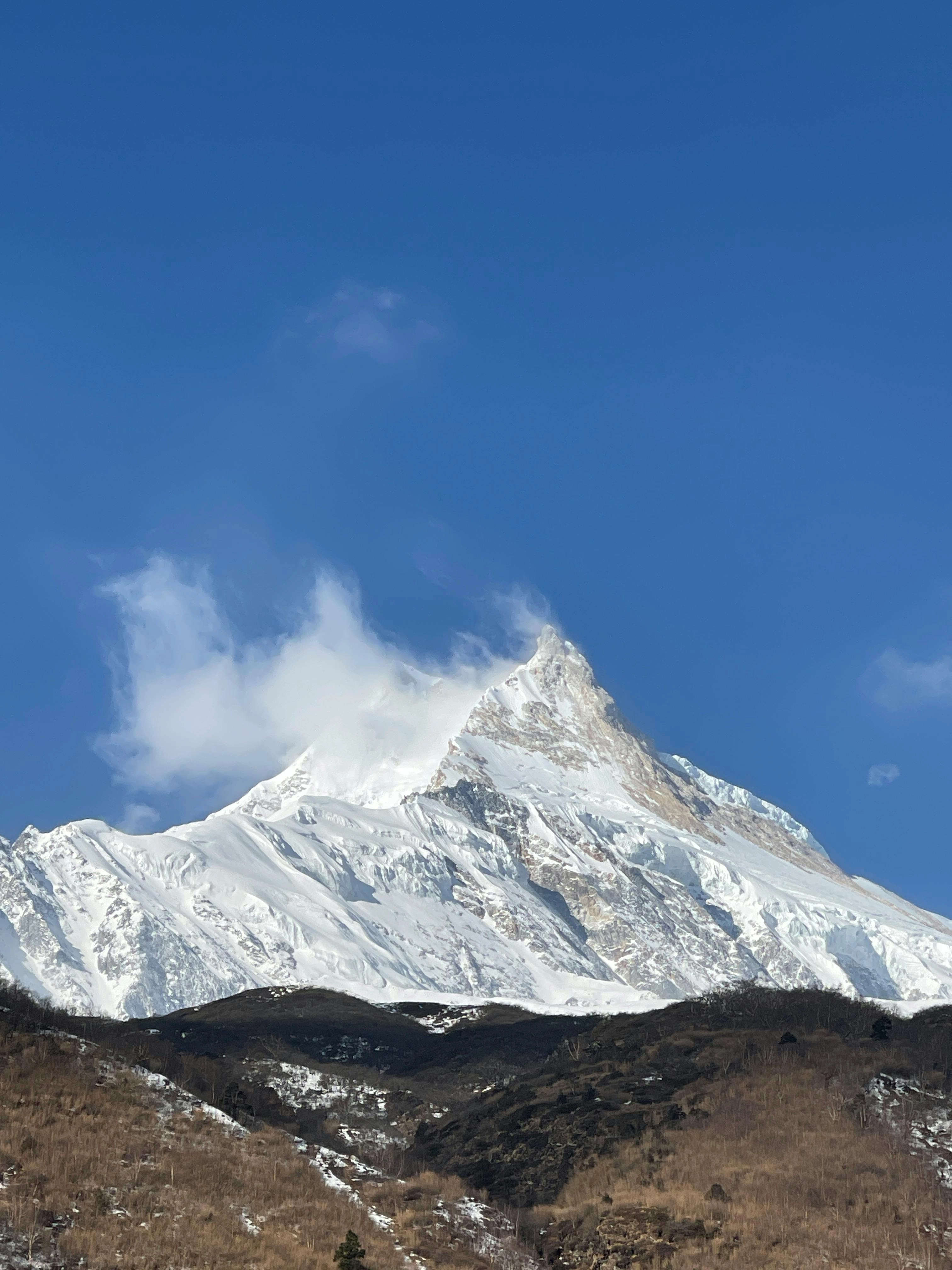
  • Enjoy world-class views of Everest, Lhotse, Makalu, and Ama Dablam from the top.

  • Acclimatize comfortably in Namche, Dingboche, and Lobuche.

  • Visit the sacred Tengboche Monastery and connect with Sherpa spirituality.

  • Balanced mix of cultural exploration, adventure, and achievement.


Overview

The Everest Base Camp (EBC) and Lobuche East Peak Climbing adventure combines Nepal’s most iconic trekking route with a true Himalayan summit experience, making it ideal for trekkers seeking a step into mountaineering. The journey follows the legendary EBC trail through Sherpa villages like Namche Bazaar, sacred sites such as Tengboche Monastery, and dramatic high-altitude landscapes before reaching Everest Base Camp at the foot of the world’s highest mountain. After proper acclimatization, the focus shifts from trekking to climbing at Lobuche Base Camp, where expert Nepali guides provide technical training in the use of ropes, crampons, and ice axes.

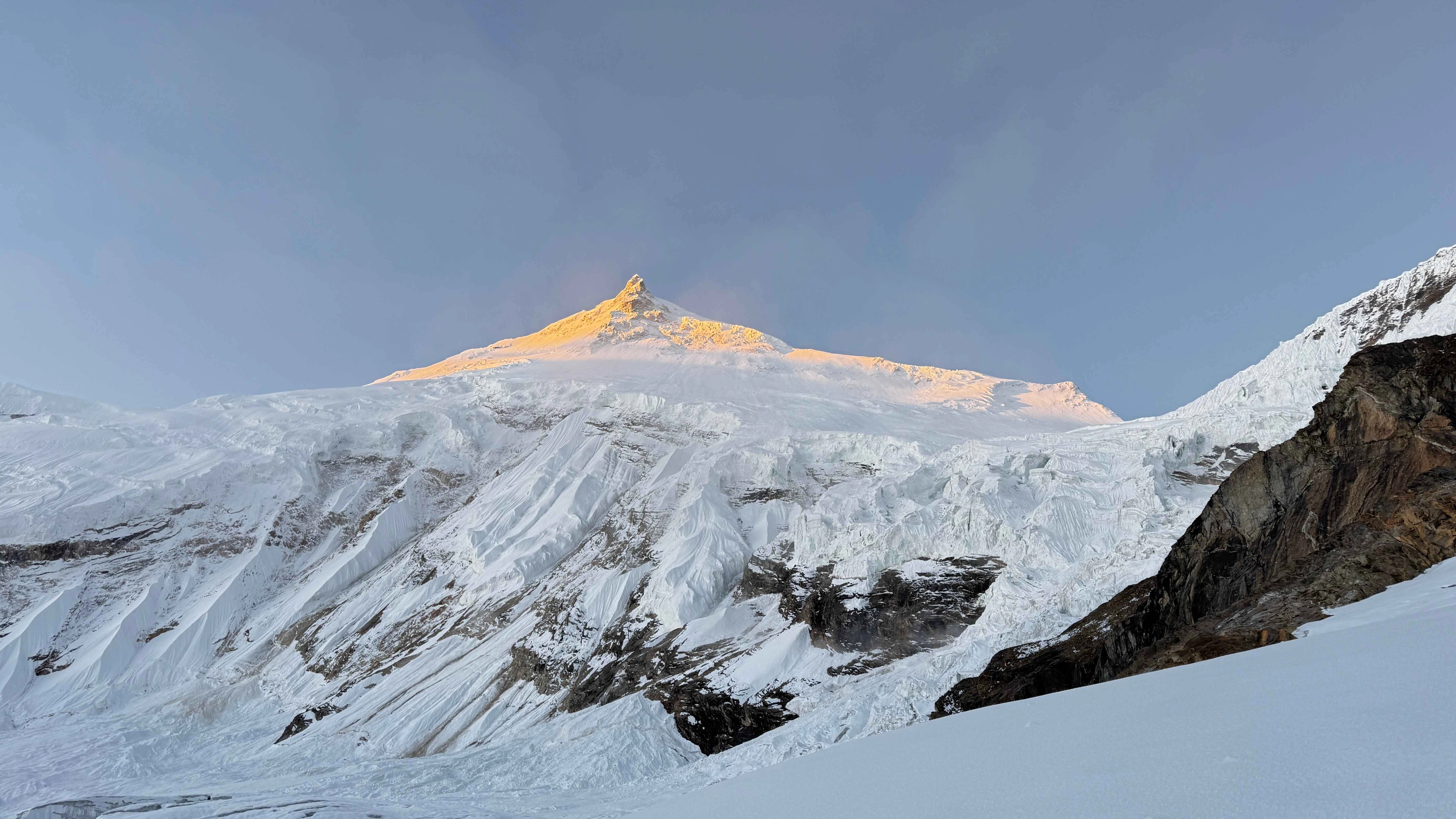
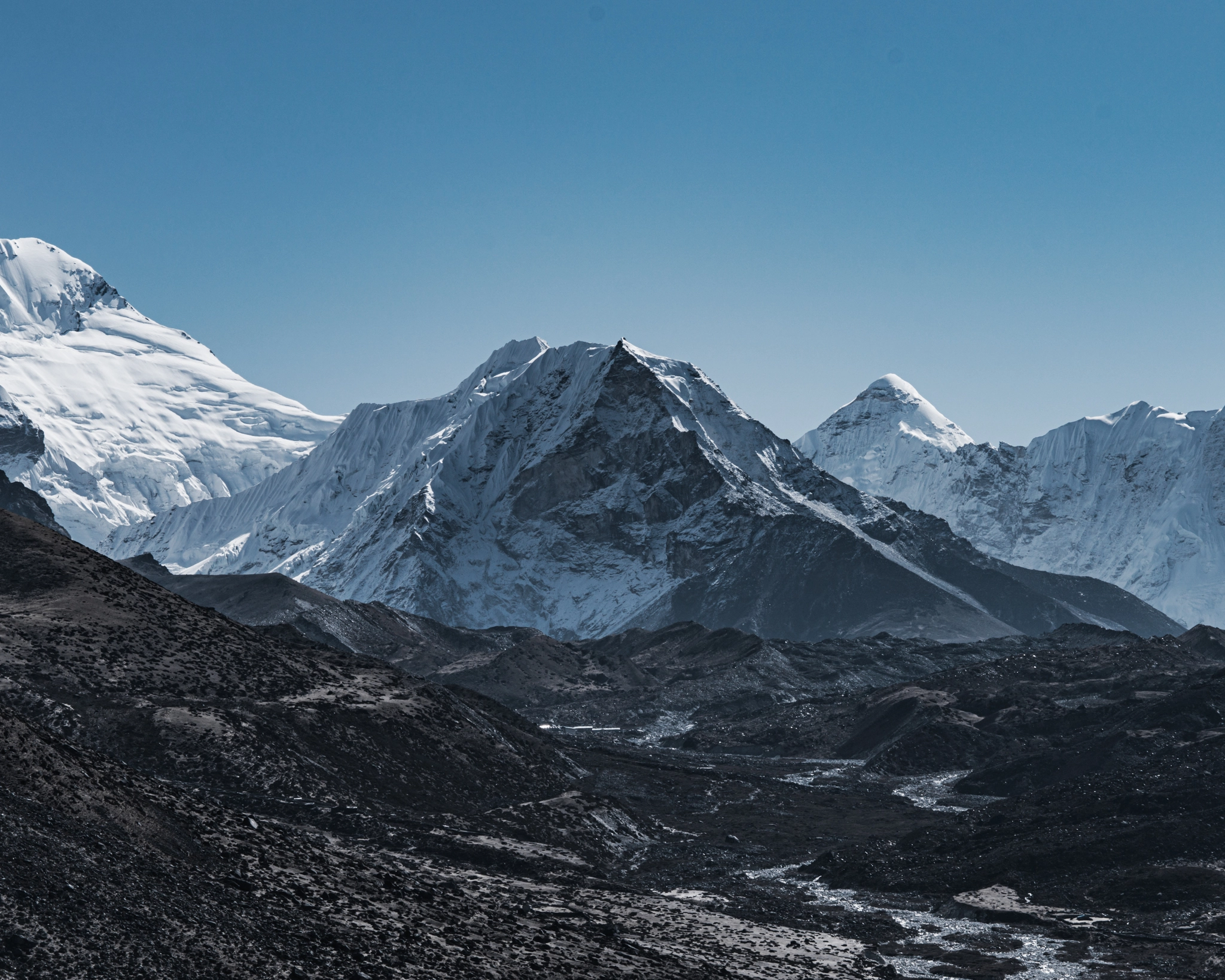
The ascent of Lobuche East Peak (6,119 m) offers a rewarding mix of rocky ridges and snowy slopes, culminating in a panoramic summit view of Everest, Lhotse, Nuptse, Ama Dablam, and Makalu. Beyond the physical challenge, the expedition is enriched by warm Sherpa hospitality, deep cultural encounters, and the powerful sense of achievement that comes from combining Everest Base Camp with a genuine Himalayan peak, making it a truly unforgettable high-altitude journey.

Itinerary

Arrive at Tribhuvan International Airport and meet our team for a smooth transfer to your hotel in Kathmandu. Spend the day settling in, exploring Thamel’s vibrant streets, and enjoying a welcome dinner. This day allows time to rest, recover from your flight, and mentally prepare for the adventure ahead, soaking in the energy and culture of Nepal’s bustling capital city.

Today is dedicated to expedition preparations. Attend a detailed briefing covering the trek, safety protocols, and itinerary highlights. Your gear is carefully checked to ensure everything meets high-altitude trekking requirements. Take the opportunity to clarify questions, adjust equipment, and finalize trekking permits. In the evening, enjoy a relaxed walk in the city or a traditional Nepali meal before the early morning flight to Lukla.

Fly from Kathmandu to Lukla, witnessing stunning Himalayan panoramas during this scenic 30–40-minute flight. After landing, begin trekking gently along the Dudh Koshi River through pine forests and quaint villages. Reach Phakding, a peaceful hamlet surrounded by terraced fields, and spend the night at a tea house. This short trek helps you start acclimatizing while enjoying the serene Sherpa landscape.

Trek along the Dudh Koshi River, crossing iconic suspension bridges and walking through lush rhododendron forests. Pass small villages and mani walls before reaching Namche Bazaar, the vibrant Sherpa capital. Explore the local market, admire traditional architecture, and enjoy your first close-up views of Everest and Ama Dablam. This long but rewarding day helps your body adjust to higher altitudes.

Spend the day acclimatizing with a short hike to the Everest Viewpoint, offering panoramic views of Everest, Lhotse, and Ama Dablam. Explore Namche Bazaar’s bustling streets, monasteries, and local cafés. The gradual hike and exploration allow your body to adapt to higher altitude while soaking in Sherpa culture. Return to Namche in the afternoon for rest and preparation for the next trekking stage.

Trek along quieter trails, passing traditional Sherpa villages and prayer flags fluttering along the paths. Enjoy spectacular Himalayan views across valleys and peaks as you approach Phortse. This less-traveled route provides peaceful surroundings and opportunities for photography. Overnight in Phortse at a local tea house, experiencing authentic Sherpa hospitality and cuisine, while your body continues to adjust to increasing altitude.

Trek through picturesque valleys and scattered villages surrounded by dramatic peaks. Cross small streams and stone bridges while enjoying ever-expanding views of the Himalayas. Reach Dingboche, a traditional Sherpa village known for its terraced fields and prayer flags. This day is crucial for acclimatization, as you steadily gain elevation while taking in the breathtaking mountain scenery. Overnight at a tea house in Dingboche.

Acclimatize further with a hike up Nagarjun Hill, offering panoramic views of Ama Dablam, Lhotse, and the surrounding valleys. Focus on proper hydration and gentle movement to prepare for higher altitudes ahead. Return to Dingboche in the afternoon for rest and optional photography. This day ensures your body is ready for the challenging sections approaching Lobuche and Gorak Shep.

Trek through rocky paths and high-altitude valleys, passing memorials for climbers along the way. Cross glacial streams and enjoy dramatic Himalayan landscapes on both sides. Reach Lobuche, a small settlement serving as a base for climbers heading to Everest Base Camp. Overnight at a tea house, preparing for the strenuous trek to Gorak Shep and Everest Base Camp the following day.

Trek to Gorak Shep in the morning, then continue to Everest Base Camp. Stand in awe at the legendary EBC, surrounded by towering peaks, glaciers, and climbers’ tents. Take memorable photos, soak in the atmosphere, and return to Gorak Shep for overnight stay. This is a highlight of your trek, marking the closest approach to the world’s highest mountain.

Wake early for a sunrise hike to Kalapathar. Witness golden light illuminating Everest and surrounding peaks, one of the most iconic Himalayan views. Descend to Gorak Shep for breakfast, then return to Lobuche for rest. Capture stunning photographs and enjoy the high-altitude landscape before preparing for climbing training at High Camp in the next few days.

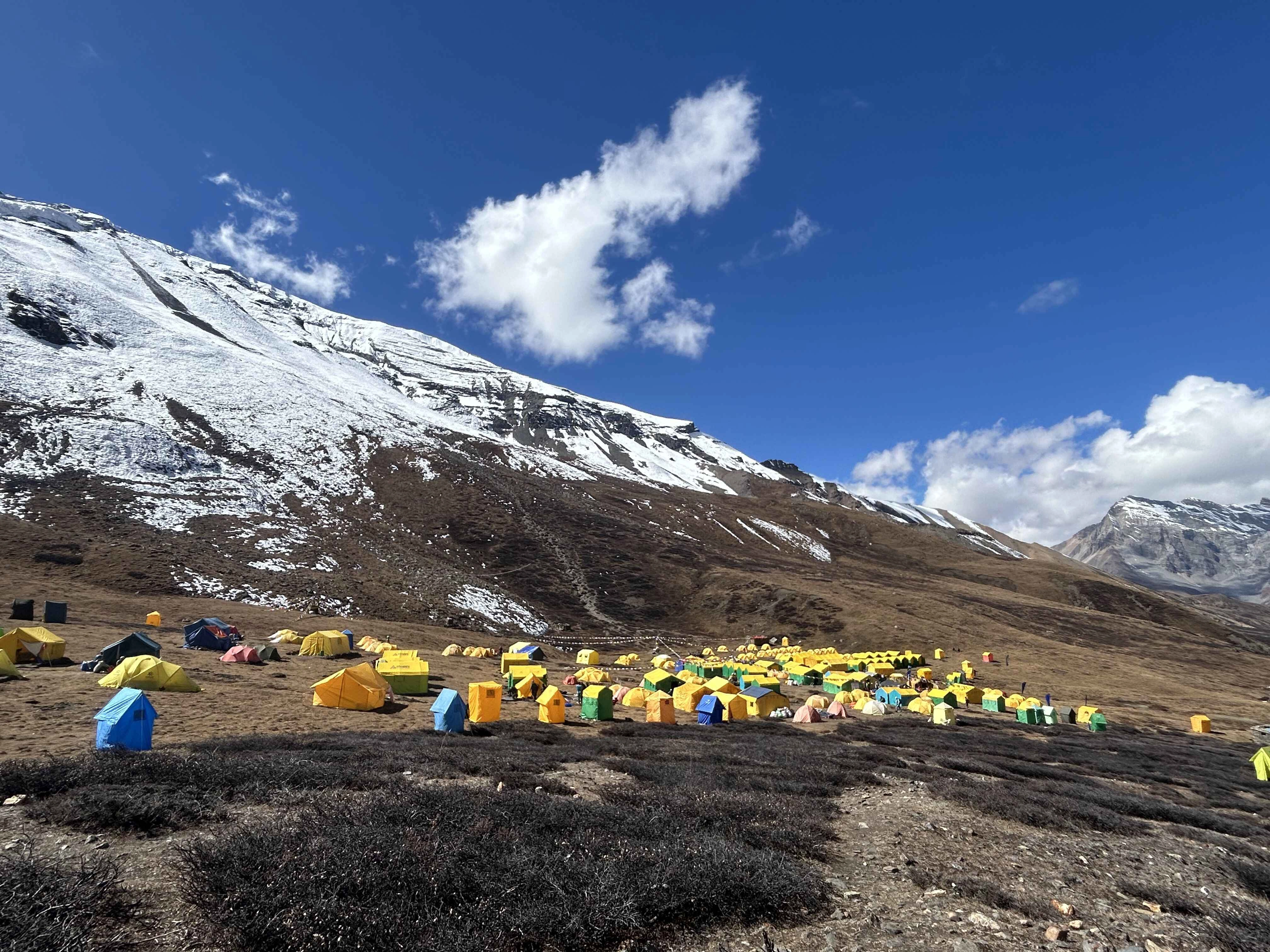
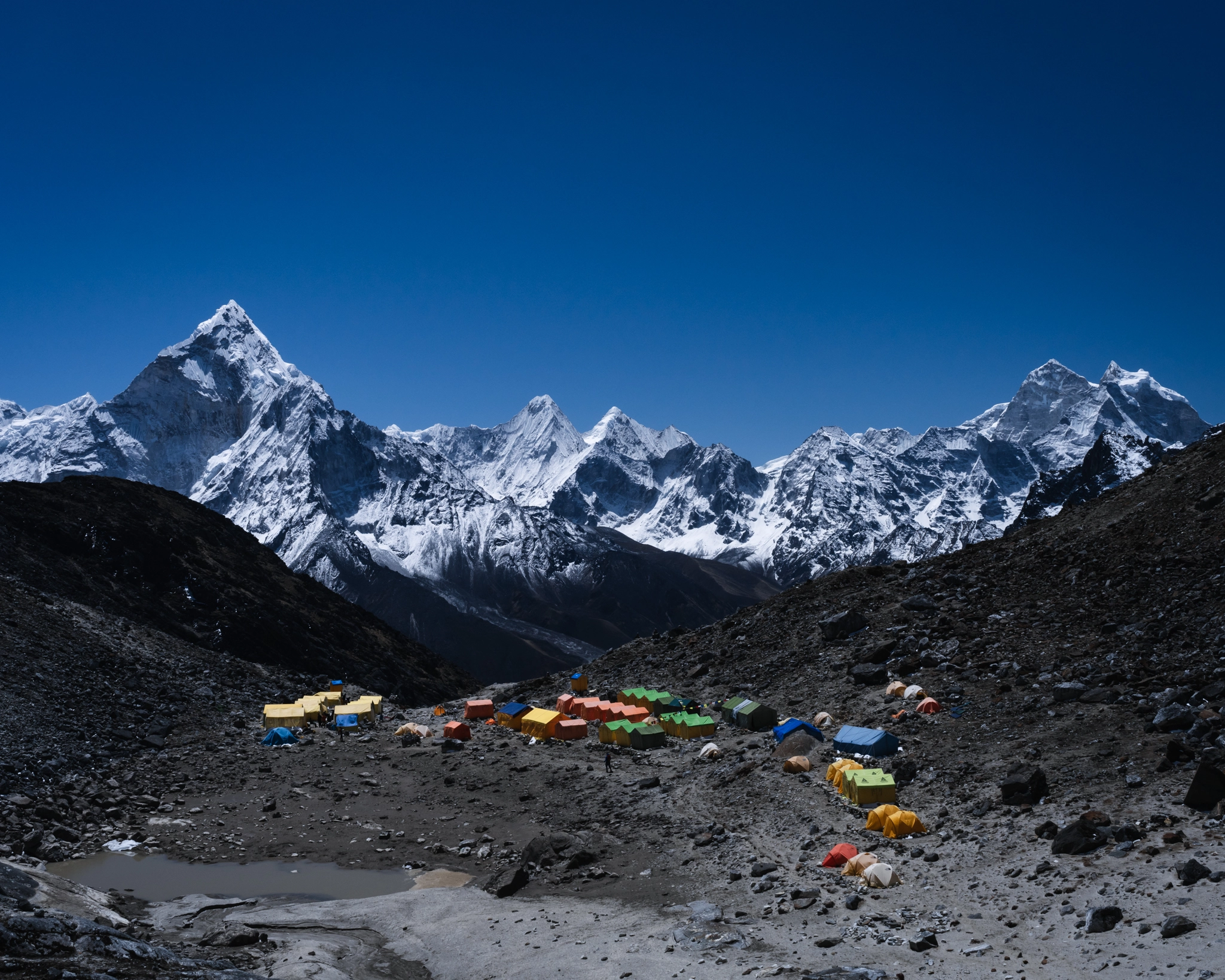
Trek a short distance to High Camp while practicing climbing techniques and acclimatization exercises. Focus on route familiarization, rope techniques, and basic mountaineering skills. The afternoon is spent resting and preparing for the summit attempt of Lobuche East Peak, ensuring your body and mind are ready for the challenging climb ahead. Overnight in tents or tea houses at High Camp.

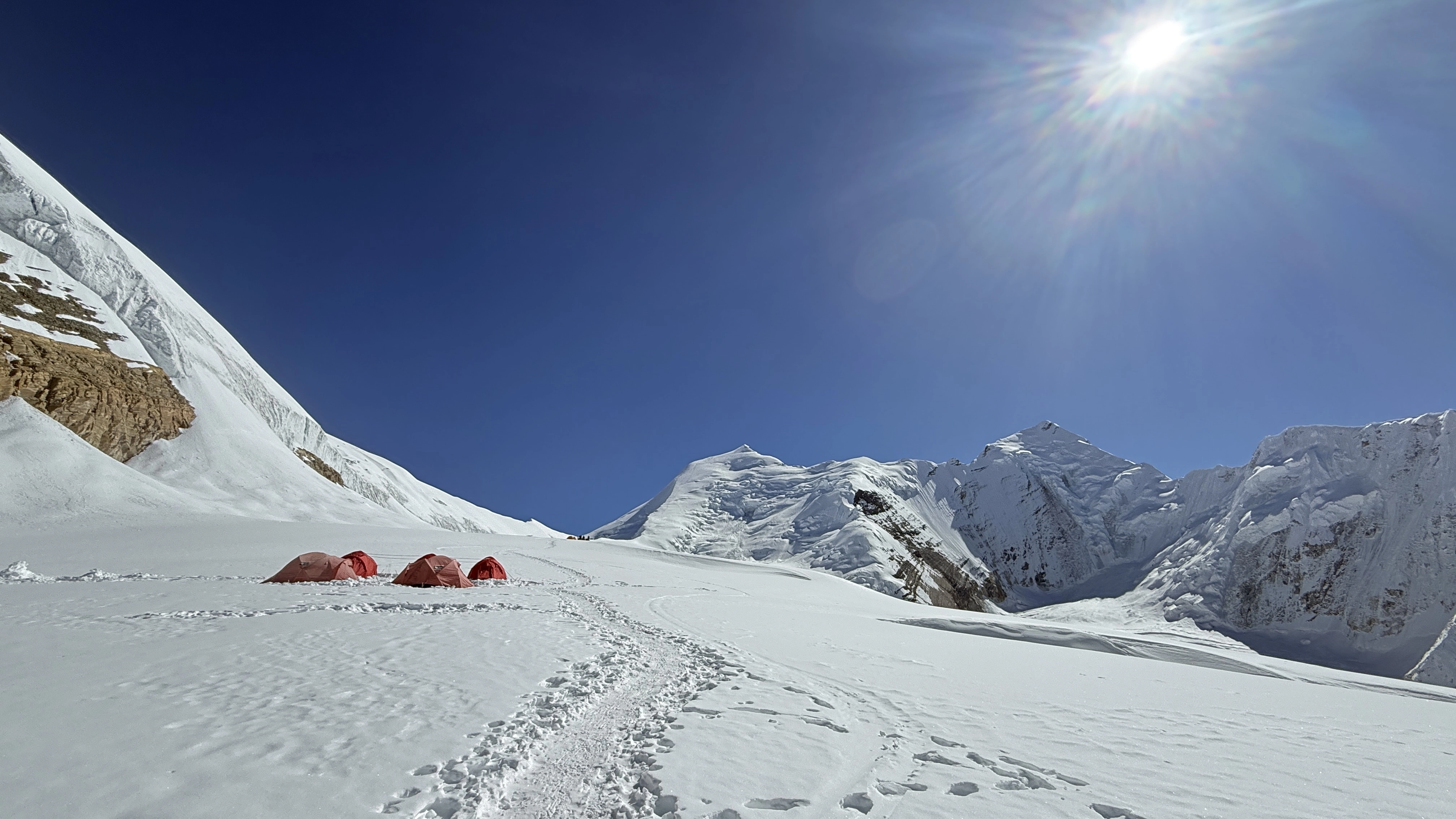
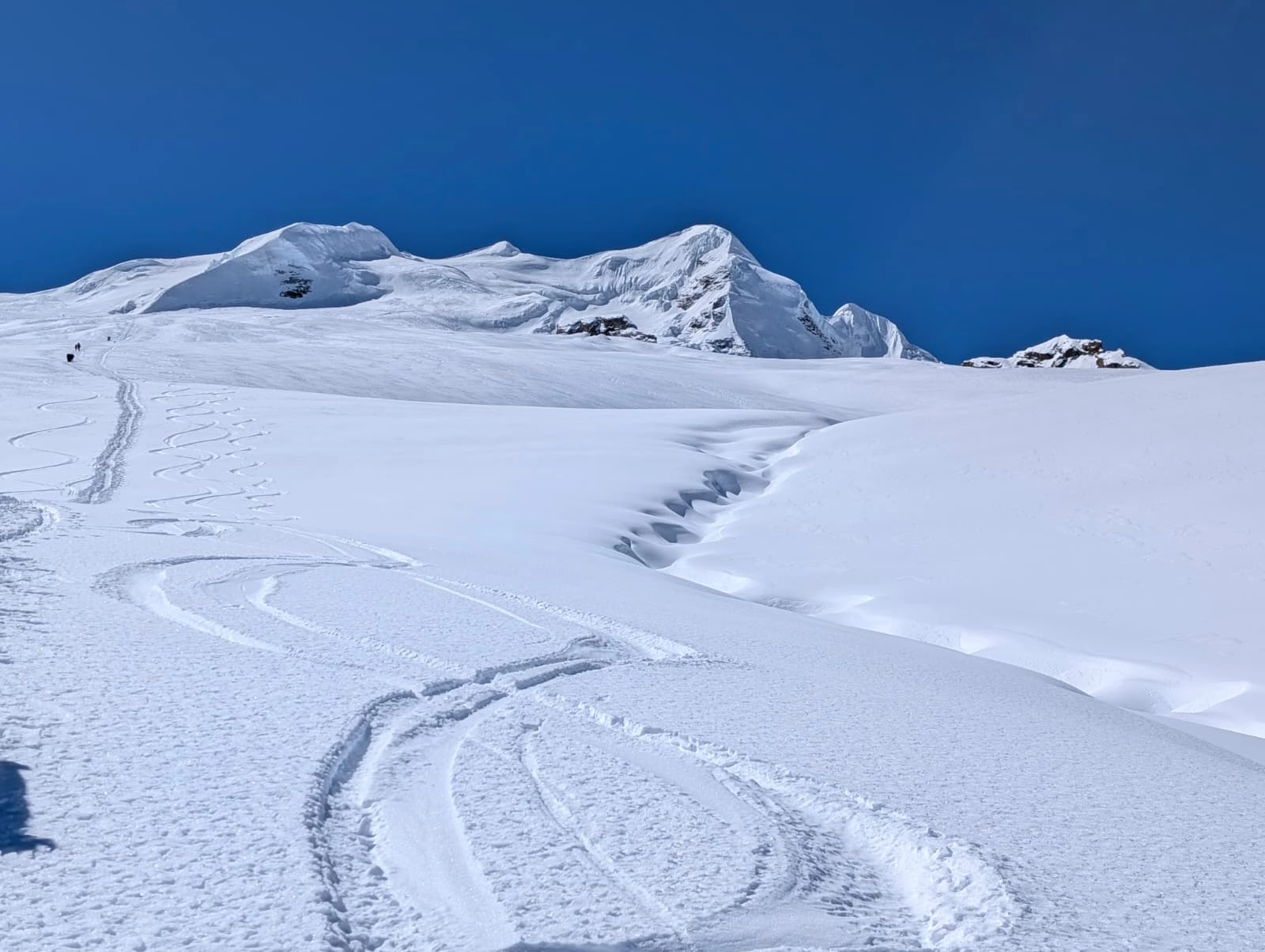
Begin pre-dawn for the summit push of Lobuche East Peak. Ascend steep ridges and snowfields, reaching the summit to enjoy panoramic Himalayan views. After photographs and celebrations, carefully descend to High Camp. This demanding day tests your endurance, skill, and determination, leaving you with an unforgettable sense of achievement atop one of Khumbu’s iconic peaks. Overnight at High Camp.

Descend through scenic trails, crossing streams and terraced fields, surrounded by mountains. Reach Pangboche, a traditional Sherpa village with monasteries and welcoming tea houses. Enjoy cultural interactions and local meals while reflecting on your summit experience. This descent provides a mental and physical respite after summit day, allowing your body to recover while continuing the trek back toward Namche.

Trek through forests and ridges, returning to Namche Bazaar. Enjoy the lively atmosphere, explore local markets, and savor tea house meals. Reflect on your journey, acclimatization, and climbing achievements. Overnight in Namche prepares you for the final trek to Lukla, while offering a chance to experience Sherpa culture and celebrate milestones with fellow trekkers and guides.

Complete the last trekking section through rhododendron forests, suspension bridges, and picturesque villages. Reach Lukla, marking the end of your trekking journey. Prepare for the scenic flight back to Kathmandu, savoring the last mountain vistas and memories of your adventure in the Khumbu region. Overnight in the Lukla tea house or lodge before the flight.

Take an early morning flight from Lukla to Kathmandu, enjoying breathtaking Himalayan views from above. Arrive in Kathmandu, check into your hotel, and relax. Spend the evening exploring Thamel, shopping for souvenirs, or enjoying a traditional Nepali dinner. Reflect on your trek and climbing experiences, sharing stories with fellow trekkers and guides.

Free day to explore Kathmandu at your own pace or rest after the trek. Optional activities include visiting Swayambhunath, Boudhanath Stupa, or Pashupatinath Temple. This day also serves as a buffer in case of flight delays or weather changes. Enjoy the city’s culture, cuisine, and vibrant streets before preparing for departure.

Head to Tribhuvan International Airport for your departure flight. Bid farewell to Nepal, carrying memories of Everest, Lobuche East, and the Himalayan adventure you conquered. Celebrate the friendships, stunning landscapes, and personal achievements made during this unforgettable journey in the Khumbu region.

Includes

Airport pick-up & drop-off
Domestic flights (Kathmandu–Lukla–Kathmandu)
All land transportation as per itinerary
Professional certified climbing guide and assistant Sherpas
Porters for luggage and expedition gear
Teahouse accommodation during trek
Tented camping at Lobuche Base Camp
All meals during trek & climb (breakfast, lunch, dinner, tea/coffee)
Climbing permits and national park entry fees
Technical climbing equipment (ropes, anchors, ice screws, etc.)
Group medical kit and satellite communication support
Warm down jacket & sleeping bag (return after trip)
Oxygen cylinder and first-aid backup
Government taxes and service charges

Excludes

International flights to/from Nepal
Nepal visa fees and travel insurance
Meals in Kathmandu (except welcome/farewell dinner)
Personal climbing gear (boots, harness, crampons, etc.)
Alcoholic or bottled beverages
Tips for guides and porters
Extra costs due to weather delays, flight cancellations, or personal reasons

Notes

note
Climbing Grade: Moderate to technical includes snow slopes (30°–45°) and use of fixed ropes.
note
Fitness Level: Good physical condition with previous high-altitude trekking experience recommended.
note
Season: Best in spring (March–May) and autumn (Sept–Nov) for stable weather and clearer summits.
note
Accommodation: Combination of cozy teahouses and high-altitude tented camps.
note
Communication: Wi-Fi available at lower villages; satellite communication used above Dingboche.
note
Safety: Backup oxygen and emergency evacuation arrangements ensured.

Relevant Blogs

 Trekking to Everest Base Camp: A Complete Guide

Trekking to Everest Base Camp: A Complete Guide

Everest Base Camp (EBC) Trek is the ultimate adventure for trekkers and mountaineers seeking to witness the world’s highest peak up close. The journey takes you through stunning Himalayan landscapes, Sherpa villages, and iconic landmarks like Namche Bazaar and Tengboche Monastery.

Best Time to Trek

  • Pre-monsoon (March to May): Clear skies, blooming rhododendrons, ideal for photography.

  • Post-monsoon (September to November): Stable weather, snow-capped peaks, and fewer clouds.

Trekking Route & Highlights

  • Lukla to Namche Bazaar: Gateway to the Khumbu region, acclimatization day recommended.

  • Namche Bazaar to Tengboche: Experience Sherpa culture and visit famous monasteries.

  • Dingboche to Lobuche: Gradual altitude gain, dramatic mountain vistas.

  • Everest Base Camp: Celebrate reaching 5,364 meters with breathtaking views of Everest, Nuptse, and Lhotse.

Preparation & Tips

  • Train for endurance and strength; focus on hiking with a loaded backpack.

  • Carry essential gear: trekking boots, layered clothing, trekking poles.

  • Stay hydrated and follow acclimatization schedules to avoid altitude sickness.

 Conquering Nepal’s 7000ers: High-Altitude Expeditions

Conquering Nepal’s 7000ers: High-Altitude Expeditions

Nepal’s 7000-meter peaks offer a thrilling challenge for experienced mountaineers. These expeditions test technical skills, endurance, and mental strength while providing breathtaking views of the Himalayas.

Popular 7000ers

  • Annapurna IV (7,525 m)

  • Dhaulagiri II (7,751 m)

Preparation & Skills Required

  • Prior high-altitude trekking experience recommended.

  • Training in ice climbing, rope handling, and glacier navigation is essential.

  • Physical fitness and mental resilience are crucial for safety and success.

What to Expect on an Expedition

  • Guided support from experienced mountaineers.

  • Structured acclimatization schedules to prevent altitude sickness.

  • Remote wilderness, glaciers, and rugged alpine terrain.

Safety & Logistics

  • Professional support teams handle permits, base camp setup, and emergency plans.

  • Proper gear and oxygen supply are critical at higher altitudes.

 Peak Climbing in Nepal: From 6000ers to 8000ers

Peak Climbing in Nepal: From 6000ers to 8000ers

Nepal is a mountaineer’s dream, home to a wide range of peaks from accessible 6000-meter climbs to the world’s towering 8000ers. Each peak presents unique challenges, breathtaking scenery, and an opportunity to test both physical endurance and mental resilience. Whether you are a beginner aiming for a 6000-meter summit or an experienced climber targeting the world’s highest mountains, Nepal offers routes that cater to all levels of expertise.

Choosing the Right Peak

  • 6000ers: Ideal for beginners and intermediate climbers seeking high-altitude experience. Popular peaks include Island Peak, Mera Peak, and Lobuche East. These expeditions provide hands-on mountaineering training and acclimatization practice.

  • 7000ers: Suitable for experienced climbers ready for technical climbing challenges. Peaks like Annapurna IV and Dhaulagiri II require advanced skills, careful planning, and proper acclimatization.

  • 8000ers: Reserved for highly skilled mountaineers with prior high-altitude experience. Iconic peaks include Everest, Kanchenjunga, and Lhotse. These climbs demand top-level fitness, technical expertise, and full expedition support.

Preparation and Training

  • Physical Fitness: Cardiovascular endurance, strength training, and hiking with weighted packs are essential.

  • Technical Skills: Rope handling, ice climbing, glacier travel, and crevasse rescue training are required for 7000ers and 8000ers.

  • Acclimatization: Gradual ascent and rest days at base camps help prevent altitude sickness.

Essential Gear

  • Mountaineering boots, crampons, ice axes, harnesses, and ropes.

  • Layered clothing suitable for extreme cold and unpredictable weather.

  • Safety equipment including helmets, first-aid kits, and oxygen systems for higher peaks.

Logistics and Support

  • Hiring experienced guides and Sherpa support ensures safety and efficient expedition management.

  • Obtaining permits and insurance is mandatory for all peaks.

  • Base camps, high camps, and rescue planning are critical for high-altitude expeditions.

Safety and Environmental Responsibility

  • Respect local cultures and natural habitats.

  • Follow Leave No Trace principles to preserve the Himalayas.

  • Monitor health and weather conditions continuously during climbs.

 How to Choose Trekking Packages in Nepal

How to Choose Trekking Packages in Nepal

Nepal offers countless trekking options, from beginner-friendly trails to challenging high-altitude expeditions. Choosing the right trekking package can make the difference between a smooth, enjoyable adventure and a stressful experience. This guide helps travelers select the best package based on their preferences, experience, and goals.

1. Identify Your Trekking Goals

  • Determine whether you want a leisurely trek, cultural experience, or high-altitude challenge.

  • Decide on the duration of the trek: short (5–7 days), medium (8–14 days), or long (15+ days).

  • Consider if you want guided or independent trekking.

2. Assess Your Fitness Level

  • Be honest about your physical fitness and endurance.

  • Beginners may prefer lower-altitude or moderate treks, while experienced trekkers can opt for more demanding trails.

  • Check if the package offers acclimatization days for high-altitude treks.

3. Look for Experienced Guides and Support

  • Guides with proper certification and experience ensure safety, navigation, and cultural insights.

  • Check if the package includes porters, cook staff, or base camp support for longer or higher-altitude treks.

4. Understand What’s Included

  • Confirm if meals, accommodation, transportation, permits, and insurance are part of the package.

  • Packages that include cultural experiences or homestays can enhance your journey.

  • Ensure clarity on extra costs for optional activities or tips.

5. Consider Safety and Emergency Preparedness

  • Ensure the trekking company has first-aid protocols and evacuation plans.

  • Check for altitude sickness guidance and emergency response procedures.

  • Confirm if guides are trained in basic mountaineering or medical emergencies.

6. Read Reviews and Testimonials

  • Research feedback from previous travelers to evaluate service quality and reliability.

  • Look for consistent positive reviews on safety, guide expertise, and overall experience.

Similar Packages

packages
Expedition

MERA PEAK CLIMBING

Mera Peak (6,476 m) rises majestically above the wild Hinku Valley, offering one of the most breathtaking panoramas in the Himalaya. Unlike crowded trekking routes, the journey to Mera follows peaceful trails through dense rhododendron forests, traditional Rai and Sherpa villages, and vast alpine terrain carved by ancient glaciers.

This 19-day expedition combines gradual acclimatization with immersive cultural encounters. Beginning in Kathmandu, the adventure moves east toward Ramechap and Lukla before entering the untouched hillsides of Paiya, Panggom, Chhatra Khola, and Kothe. Each day reveals new landscapes from lush forest floors to wind-sculpted ridgelines.

As you approach Khare (5,045 m), the landscape transforms into a dramatic world of ice and snow. Here, the team prepares technically with rope practice, crampon training, and glacier movement skills, ensuring everyone is ready for the high camp ascent.

Summit day begins before dawn as you climb steadily across the Mera Glacier, illuminated only by stars and headlamps. As you ascend the final ridge, the vast horizon opens Everest, Lhotse, Makalu, Cho Oyu, and Kanchenjunga stand in a glowing line across the sky. Few viewpoints in Nepal offer such an incredible 360° Himalayan panorama.

After celebrating the summit achievement, the descent follows a rewarding route via Thuli Kharka and the Zatrwa-La Pass back to Lukla. This journey is designed to balance acclimatization, comfort, and safety, offering both seasoned trekkers and first-time climbers an unforgettable Himalayan experience.

 

packages
Expedition

AMA DABLAM EXPEDITION

The Ama Dablam Expedition 2025 with AltiNepal Treks is designed for experienced climbers who want a technical, elegant Himalayan peak without the chaos of the 8000ers. Often called the “Matterhorn of the Himalaya,” Ama Dablam stands high above the Khumbu Valley as a perfect pyramid of rock, snow, and ice visible from almost every classic Everest viewpoint.

Your journey starts in Kathmandu, followed by a flight to Lukla and a classic approach through Phakding, Namche, Khumjung, and Pangboche. The trek itself is already a highlight, with monasteries, spinning prayer wheels, suspension bridges, and constant views of Everest and Ama Dablam drawing closer each day.

At Ama Dablam Base Camp (~4,570 m), you shift from trekker to climber. Under the guidance of professional technical mountain guides and Sherpa climbers, you spend several days on pre-climb training, safety briefings, and equipment checks. Rotation climbs and load carries up to higher camps allow your body to adapt and build familiarity with the route.

The summit push follows the traditional route through Camp 1 and Camp 2, tackling mixed rock, snow, and exposed ridges that have made Ama Dablam legendary in the mountaineering world. The climb is steep, technical, and incredibly rewarding with jaw-dropping views of Everest, Lhotse, Makalu, and the entire Khumbu.

After the summit window, a helicopter flight from Base Camp to Kathmandu brings you quickly and comfortably back to the capital, where the expedition ends with a well-earned farewell celebration.

This is a serious mountaineering objective, crafted for climbers who respect the mountain, value professional logistics, and want to climb Ama Dablam the right way with a strong local team, solid planning, and safe pacing.