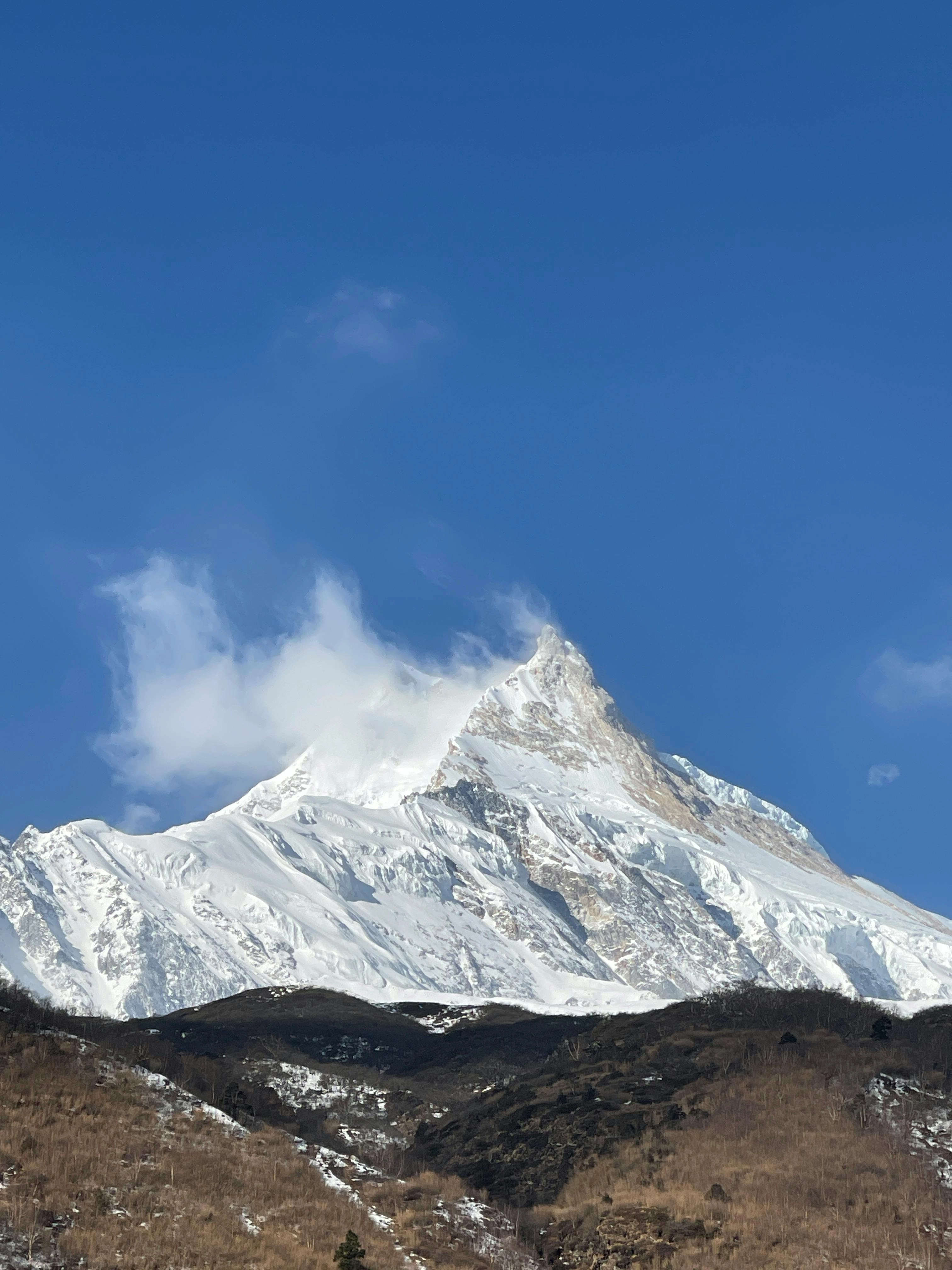
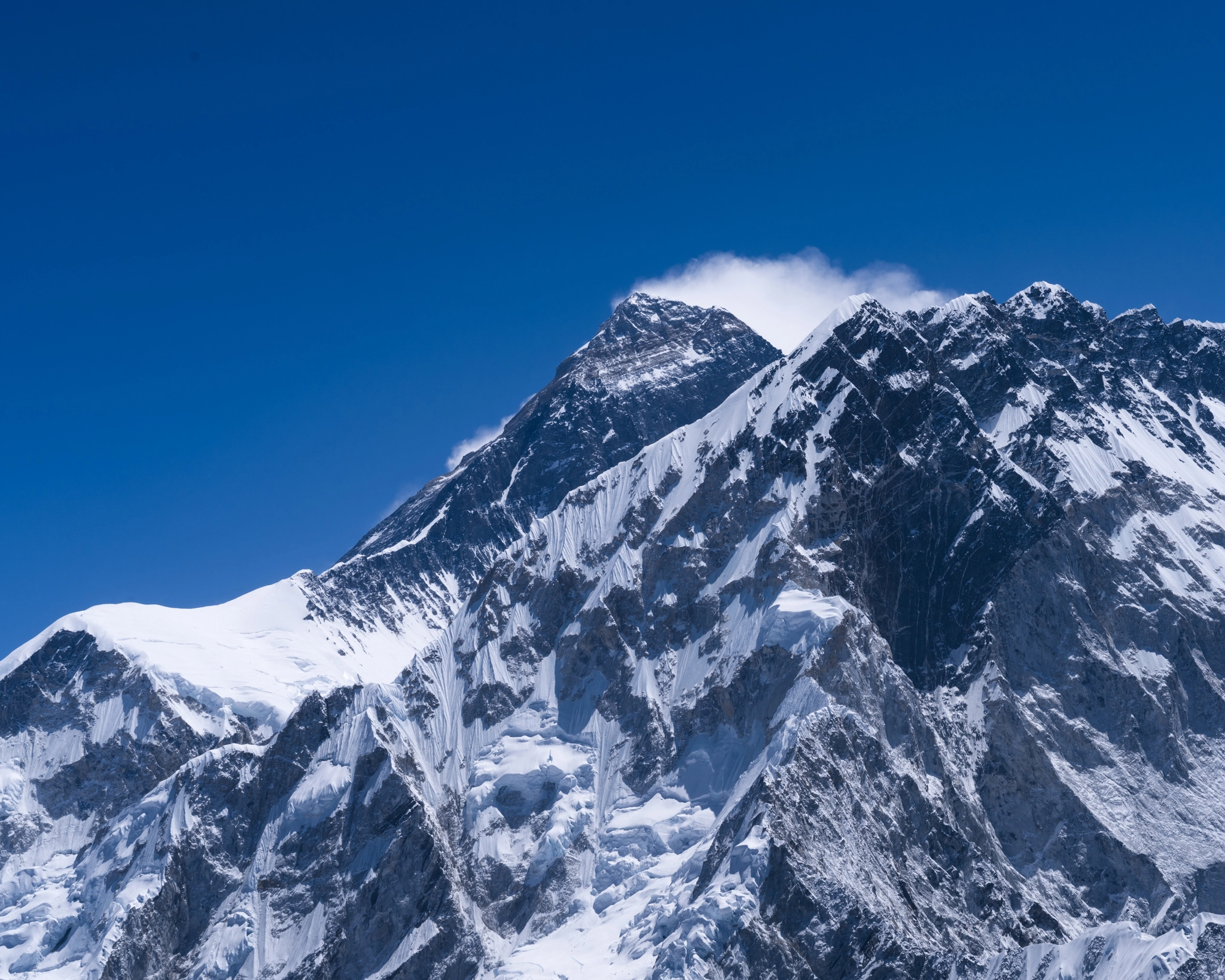
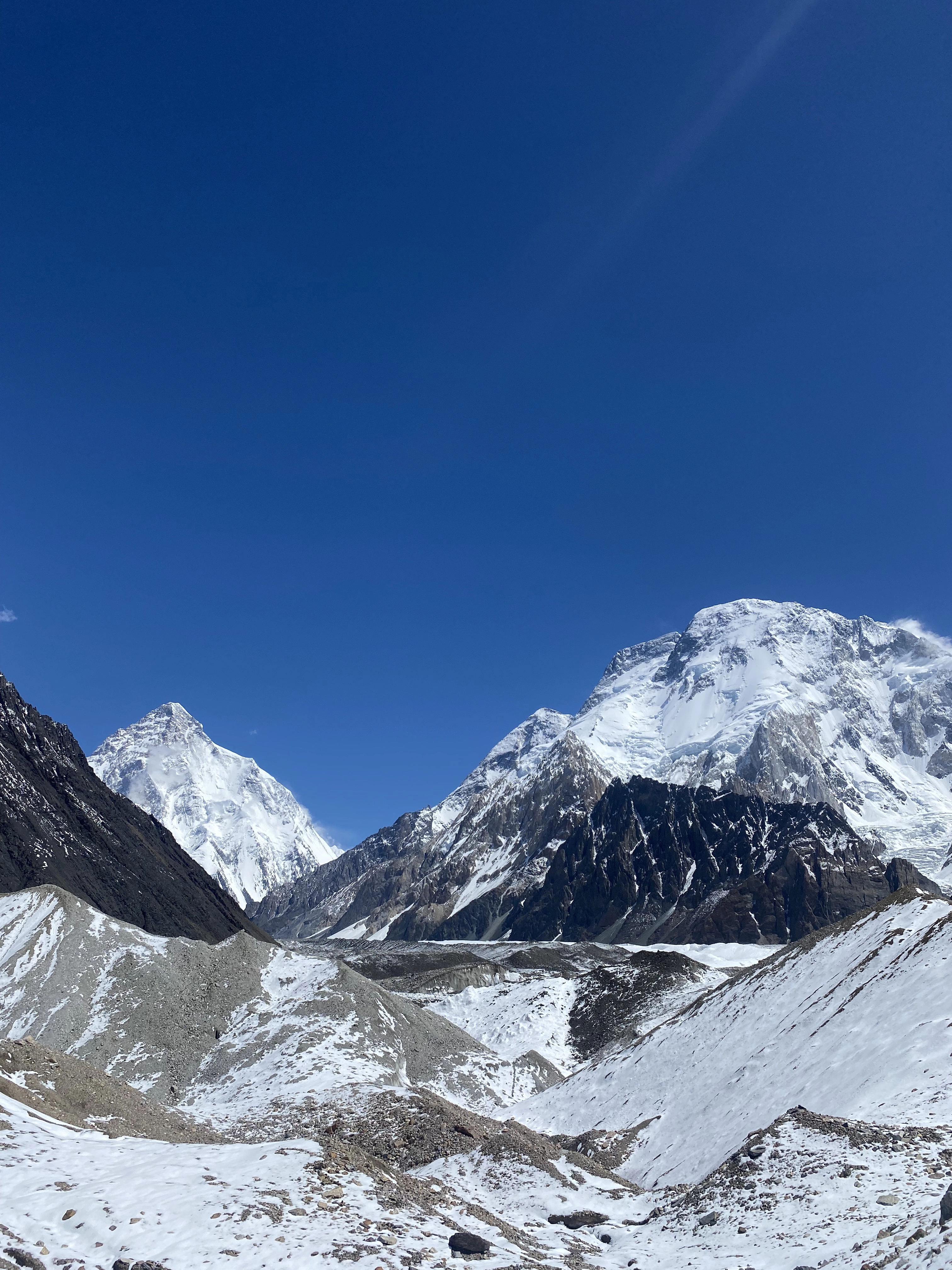
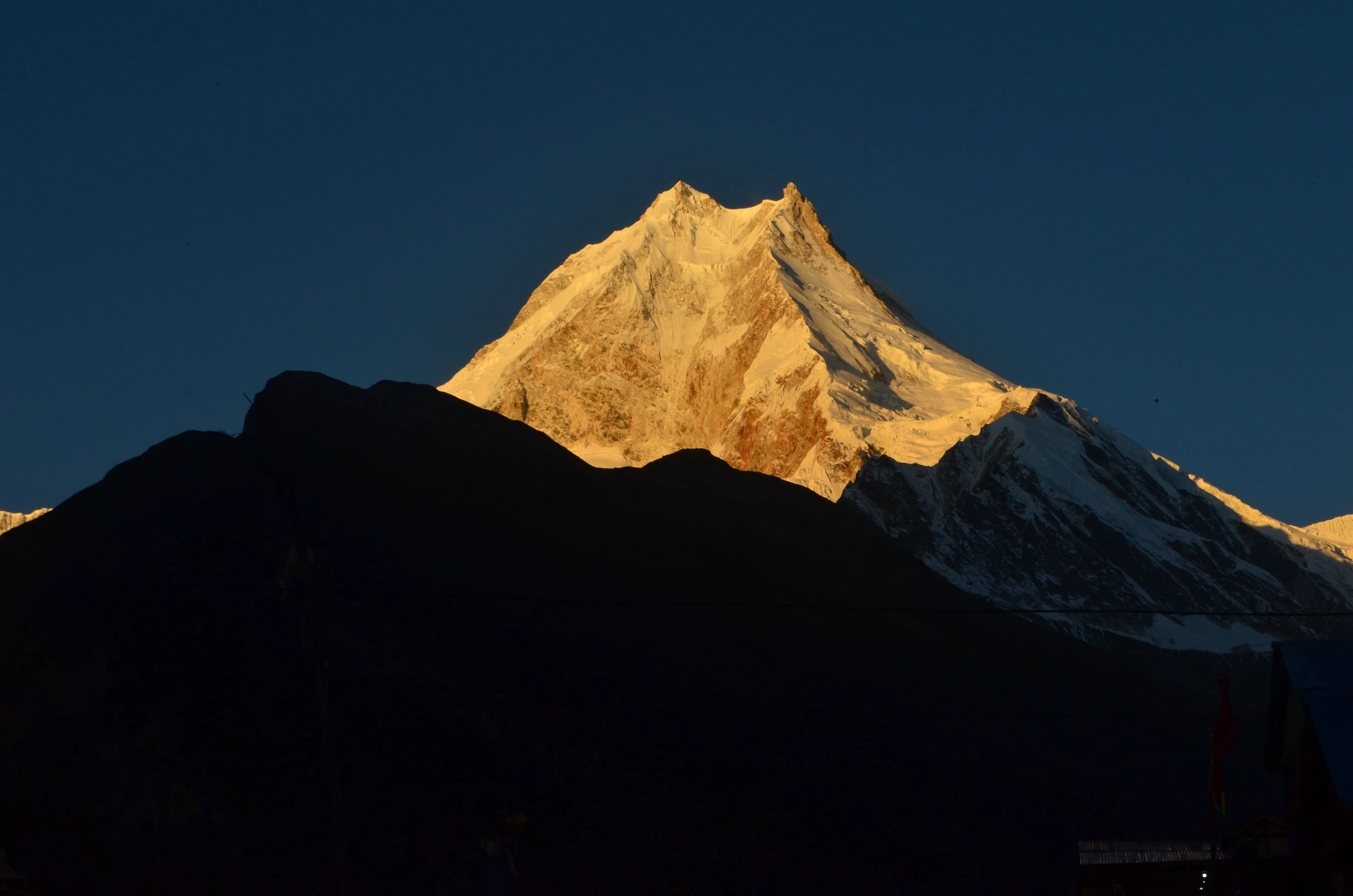
● Summit the world’s third-highest mountain at 8,586 meters
● Remote and less-crowded 8000-meter Himalayan objective
● Helicopter access to Base Camp for strategic acclimatization
● Extended climbing period with structured rotations
● Full oxygen support with mask and regulator systems
● Professional route fixing and high camp logistics (C1–C4)
● Government liaison officer and complete permit management
● Premium Base Camp facilities with fresh food supply
● Expedition managed by experienced Nepali leadership team
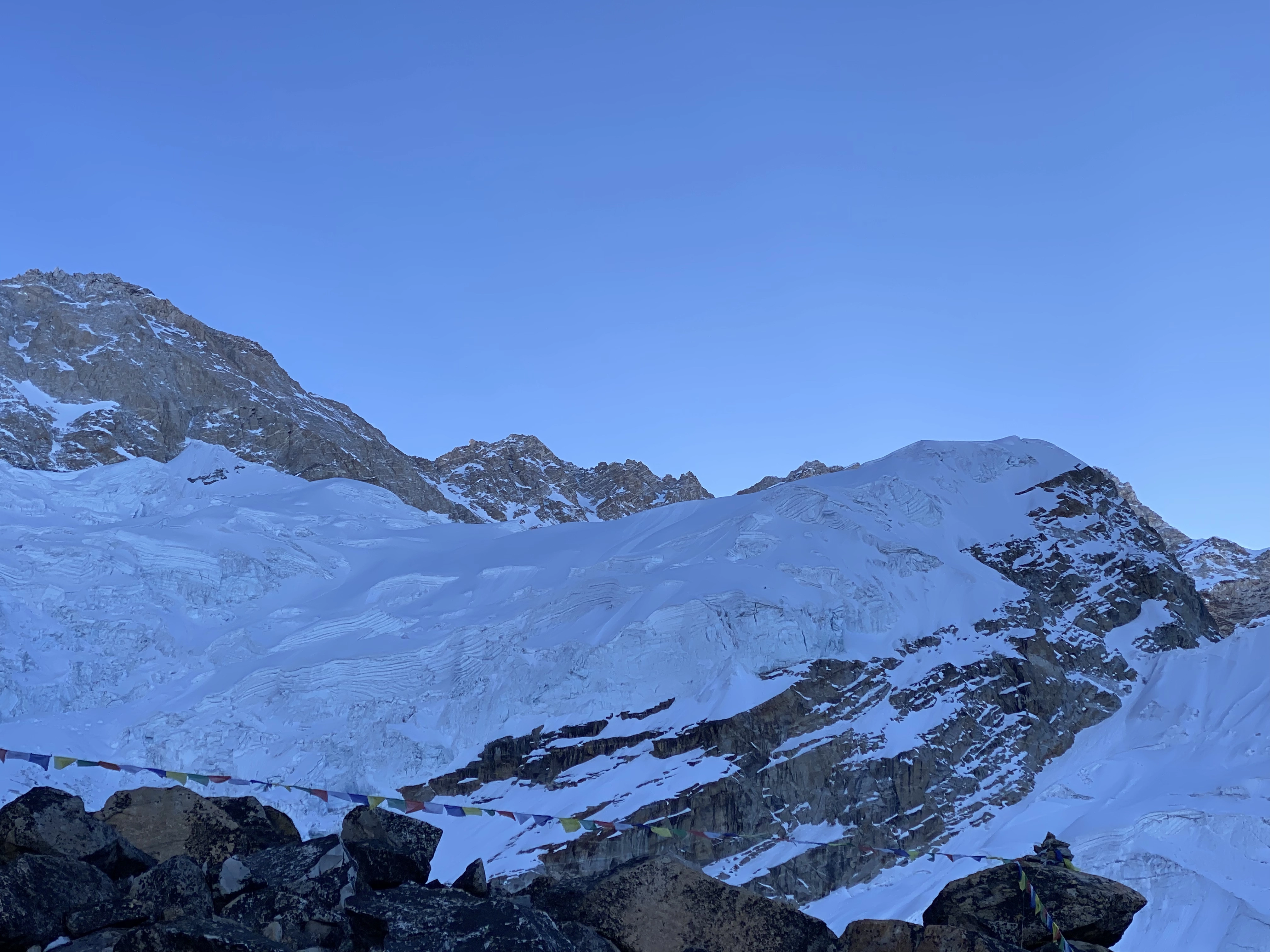
KANCHENJUNGA EXPEDITION | Altinepal Treks
Country
Nepal
Level
extreme
Duration
50 Days
Altitude
8,586 M
Group Size
4-10
Best Season
Spring and Autumn

Highlights
Overview
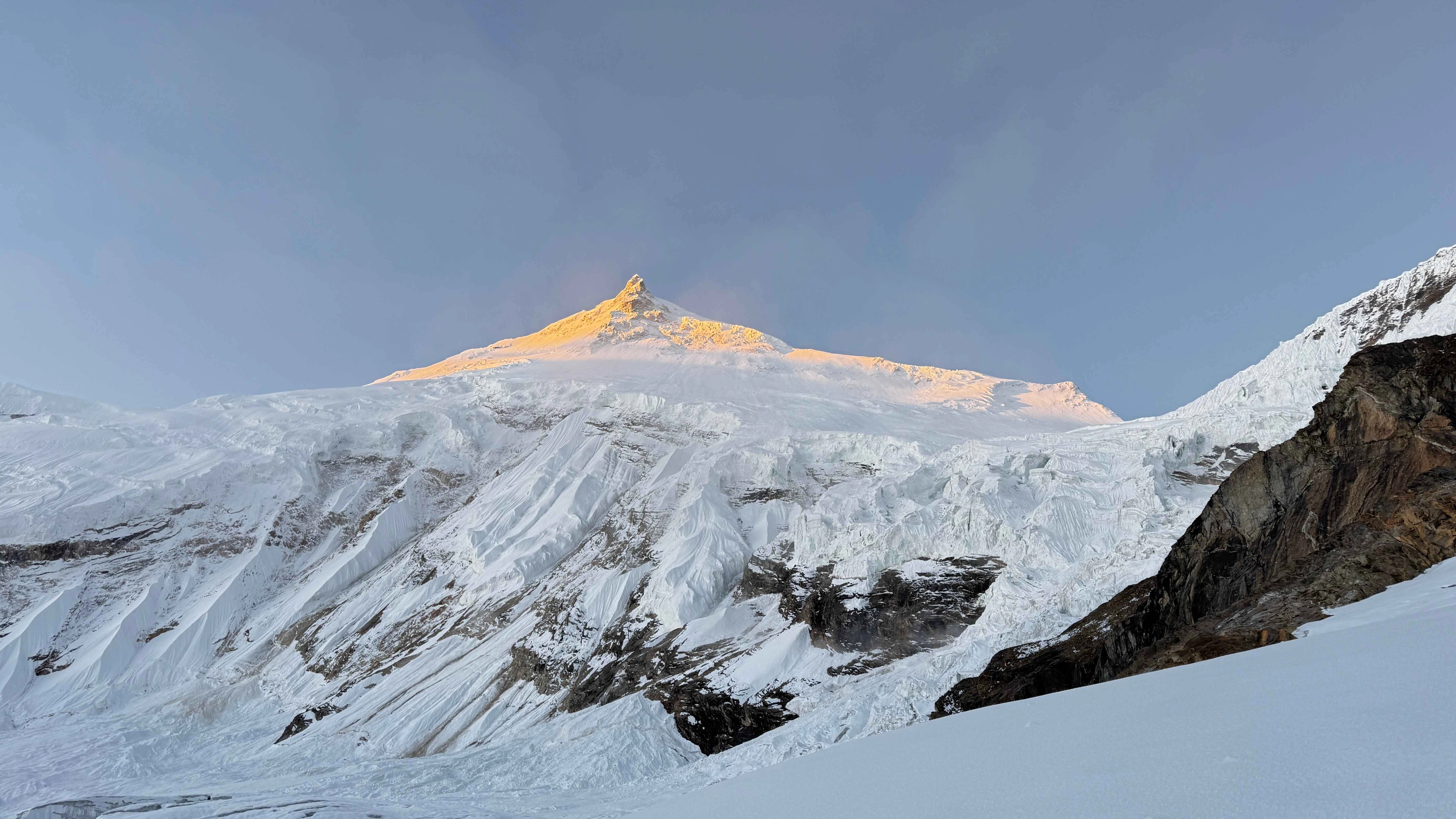
The Kanchenjunga Expedition is one of the most prestigious and demanding mountaineering challenges in the Himalaya. Rising to 8,586 meters, Kanchenjunga stands as the third-highest mountain on Earth and remains one of the least commercialized 8000-meter peaks, offering a true expedition experience in a remote and pristine setting.
Organized by Altinepal Treks, this 50-day expedition is structured around safety, strategic acclimatization, and professional logistics. The journey begins in Kathmandu with preparation and official briefings before flying to eastern Nepal and moving toward the remote trekking region of Yamphudin and Tseram. From there, a helicopter transfer positions the team at Kanchenjunga Base Camp, optimizing energy and time for the demanding climbing phase.
The climbing period includes acclimatization rotations through Camps I to IV, technical ice and snow climbing, and high-altitude decision-making under the guidance of experienced Sherpa climbers and expedition leaders. With oxygen support, fixed rope systems, high camp services, and real-time weather forecasting, Altinepal Treks ensures a disciplined and professionally managed summit strategy.
This expedition is designed for experienced high-altitude climbers seeking a serious 8000-meter objective in a remote Himalayan environment, supported by a trusted Nepali expedition team.
Itinerary
Touch down at Tribhuvan International Airport (1,400 m) and be greeted by the Altinepal Treks team. Transfer through the lively streets of Kathmandu to your hotel in Thamel. The evening is free to explore the bustling alleys, visit gear shops, or simply rest after your long journey. A welcome dinner with your expedition leader sets the tone for the weeks ahead.
Hotel
A full day of formalities and final preparations. The morning begins with the official expedition briefing at the Nepal Mountaineering Association, where permits are verified and liaison officers conduct equipment inspections. Your team leader reviews technical gear, communication protocols, emergency procedures, and the full expedition timeline. The afternoon is free for last-minute gear purchases, pharmacy runs, or currency exchange in Thamel.
Hotel
Breakfast
An early domestic flight heads east over the Terai plains toward Bhadrapur (Jhapa). On clear days, the distant white peaks of the eastern Himalaya are already visible from the air. On landing, board a private vehicle for a four-hour scenic drive north through tea gardens, river valleys, and terraced hillsides up to Phidim (1,265 m) — the administrative hub of Panchthar district. Overnight at a local guesthouse.
Lodge/ Teahouse
BLD
Leave the paved roads behind as the route climbs deeper into the remote hills of eastern Nepal. The drive winds through Rhododendron forests, small Rai and Limbu villages, and river crossings that hint at the true wilderness ahead. Arriving in Yamphudin — the last roadhead village before the trek begins — you get your first unobstructed views of the Kanchenjunga massif looming to the north. Overnight at a teahouse.
A deliberate rest day in Yamphudin allows your body to begin adjusting to the rising altitude before the trekking phase starts. Use the time for a short acclimatization walk in the surrounding hills, check and repack your trekking kit, and interact with the local Limbu community whose culture and traditions are deeply tied to these mountains. Early nights and good hydration are the priority.
Lodge/ Teahouse
BLD
The trek begins in earnest, heading north through dense subtropical and temperate forests rich with bamboo, oak, and rhododendron. The trail crosses several suspension bridges over rushing glacial rivers before gaining elevation steadily toward Tortong. Wildlife is abundant in this corridor: red pandas, Himalayan black bears, and countless bird species inhabit these forests. Approximately 6-7 hours of walking. Overnight at a camp or basic lodge.
Lodge/ Teahouse
BLD
A longer, more demanding day as the vegetation gradually gives way to alpine scrub and open terrain. The trail climbs steadily, rewarding the effort with increasingly dramatic views of Kanchenjunga South and Kabru. Tseram is a small, exposed settlement at the edge of the alpine zone - the last semi-permanent settlement before Base Camp. The air is noticeably thinner. Approximately 7–8 hours of trekking. Overnight at camp.
Camping
BLD
A classic acclimatization day - climb high, sleep low. The hike to Ramche (4,580 m) offers a breathtaking panorama of the Kanchenjunga glacier, the surrounding peaks, and the immense scale of what lies ahead. The route crosses moraines and follows the glacier's edge, giving a preview of the high-mountain terrain to come. Return to Tseram for the night. This hike is critical for altitude adaptation.
4,580m
Full Board Camp
BLD
A final rest day at Tseram before heaidng to the Base Camp. The body continues its physiological adjustment to altitude - headaches, mild fatigue, and reduced appetite are normal at this stage. Keep hydrated, eat well, and avoid overexertion. Your expedition leader holds a detailed briefing on Base Camp protocols, high-camp rotation plans, and weather window strategy for the climbing period ahead.
Full Board Camp
BLD
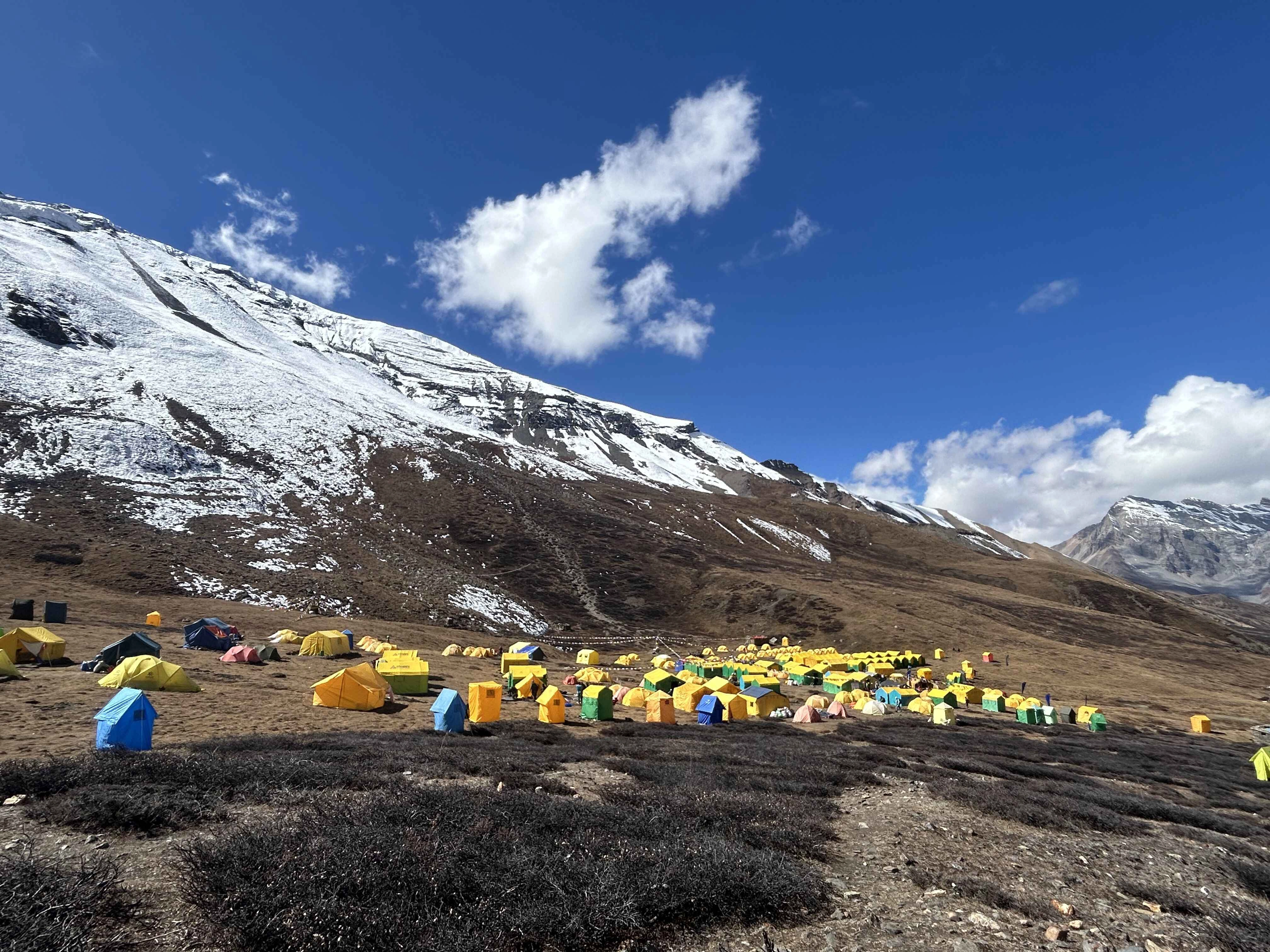
The short but dramatic helicopter flight lifts you directly from Tseram to Kanchenjunga Base Camp, cutting out several days of high-altitude trekking and conserving vital energy for the climb. The flight itself is a spectacle - glaciers, icefalls, and sheer rock faces fill the window as you touch down on the moraine plateau at 5,475 m. The expedition team establishes camp, sets up communication systems, and begins the first round of acclimatization walks around Base Camp. The scale of Kanchenjunga - at 8,586 m the third-highest peak on Earth - is humbling from here.
Full Board Camp
BLD
The heart of the expedition spans approximately 35 days on the mountain, structured around a series of acclimatization rotations and progressive high-camp establishment. The climbing period typically unfolds as follows:
-
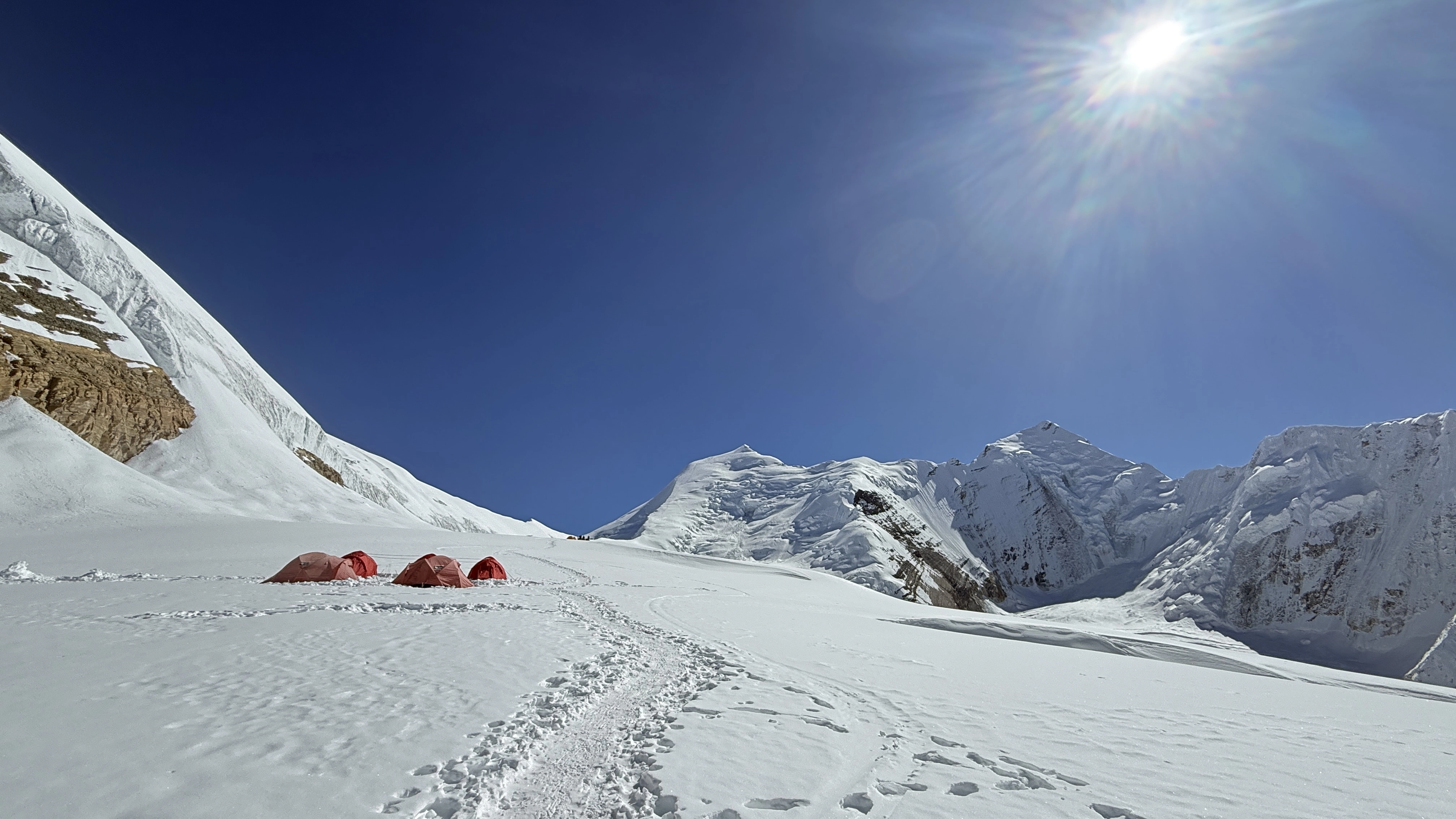
Weeks 1–2 (Days 11–24): Route fixing and load carrying from Base Camp to Camp 1 (C1, ~6,100 m) and Camp 2 (C2, ~6,800 m). Teams rotate up and back to Base Camp to build altitude tolerance.
-
Weeks 3–4 (Days 25–38): Establishment of Camp 3 (C3, ~7,400 m) and Camp 4 (C4, ~7,900 m). High winds and temperature extremes are managed through patient waiting at Base Camp between rotations.
-
Summit Window (Days 39–45): Final summit bids are launched based on meteorological forecasts from specialist high-altitude weather services. The summit day from C4 is typically 10–14 hours round-trip, involving technical mixed terrain, fixed rope sections, and the iconic snow ridge leading to the summit plateau at 8,586 m.
Throughout this period, Base Camp serves as the logistical and psychological anchor - with mess tents, medical support, satellite communications, and regular rest days between rotations.
Full Board Camp
BLD
With the summit attempt concluded - successfully or otherwise - the expedition descends and breaks Base Camp. A helicopter transfers the team from the Base Camp area down to Tapetok in the lower valleys, marking the official end of the high-altitude phase. The sensation of dropping back into warmer, oxygen-rich air is profound after weeks above 5,000 m. Overnight at a local lodge.
Lodge/ Teahouse
BLD
A long but satisfying overland journey back through the green hills and river plains of eastern Nepal. The drive retraces familiar landscapes - suspension bridges, terraced farms, roadside tea stalls - but everything feels richer and more vivid after weeks of ice and rock. Arrive in Bhadrapur by evening. Overnight at a hotel.
Lodge/ Teahouse
BLD
The final domestic flight carries the team back over the Terai and into the Kathmandu Valley. The cityscape on approach feels almost surreal after the remote silence of the eastern Himalaya. Transfer to your hotel in Thamel, check in, and allow the enormity of the journey to sink in. A celebratory team dinner in the evening - a chance to share stories, toast to the summit (or the attempt), and acknowledge the collective effort of the expedition.
Hotel
Breakfast
A built-in buffer day to accommodate any weather delays, flight disruptions, or outstanding logistics from the expedition. If not required operationally, use the day for sightseeing in Kathmandu - Pashupatinath Temple, Boudhanath Stupa, or the hilltop panorama at Swayambhunath are all within easy reach and offer a meaningful cultural close to a remarkable Himalayan journey
Hotel
Breakfast
Transfer to Tribhuvan International Airport for your onward international flight. Your Altinepal Treks representative accompanies you to the airport to assist with check-in and see you off. The expedition is complete - Kanchenjunga, the sleeping giant of the east, now lives permanently in your story.
Breakfast
Includes
Airport pick-up and drop-off for international and domestic flights
Round-trip domestic flights Kathmandu–Bhadrapur–Kathmandu with airport taxes
Helicopter transfer Tseram–Kanchenjunga Base Camp and Base Camp–Tapetok
All land and air cargo transportation for expedition crew and equipment
Four nights hotel accommodation in Kathmandu (2 nights pre-expedition, 2 nights post-expedition) with breakfast
Welcome dinner at a traditional Nepali restaurant
Freshly prepared breakfast, lunch, and dinner at Base Camp
Regular helicopter supply of vegetables, meat, fruits, and beverages at Base Camp
Kanchenjunga climbing royalty fee and all government permits
Summit route fixing charges
Garbage management and disposal fees
Government liaison officer with wages, insurance, equipment, and airfare
Personal box tent, mattress, and pillow at Base Camp
Dining tent, kitchen tent, and common Base Camp facilities
High Camp services (C1–C4) including tents, ropes, gas, burners, food, and climbing hardware
Group climbing equipment including fixed ropes, dynamic ropes, snow bars, and rock pitons
Walkie-talkie communication between Base Camp and high camps
Satellite phone for emergency use (chargeable per minute)
Weather forecast services throughout expedition
4 oxygen bottles (4L each) per member
2 oxygen bottles per climbing Sherpa
Summit mask and regulator sets for members and Sherpas
Backup oxygen bottles available at Base Camp (chargeable as used)
Standby climbing Sherpa and helicopter rescue coordination
Expedition duffel bag if required
First aid medical kit
Farewell dinner in Kathmandu
Government taxes and company service charge
Kanchenjunga summit certificate upon successful ascent
Excludes
Travel Essentials like International airfare, Nepal entry visa fee and Bank or wire transfer charges
Lunch and dinner in Kathmandu
Personal travel and high-altitude insurance
Personal trekking and climbing equipment
Personal expenses including phone, internet, battery charging, laundry, alcoholic and canned beverages, specialty drinks
Drone and special filming permits
Summit bonus for climbing Sherpa (USD 1500)
Tips for Base Camp kitchen staff (USD 300)
Any services not mentioned in the Trip Includes section
Notes

Experienced high-altitude Sherpa team and expedition leaders
Fixed rope systems professionally installed and monitored
Continuous communication between Base Camp and high camps
Oxygen support and emergency backup systems
Helicopter rescue coordination throughout expedition